
Traveling by Bus in Mexico: A Beginner’s Guide
Traveling by bus in Mexico has been one of my favourite ways to experience this vibrant and culturally rich country!
As someone who’s traveled across 12 states to over 33 cities, mostly by bus, I’ve found that this mode of transportation allows me to feel more connected to the places I visit.
There’s something special about hopping on a bus and watching the scenery unfold –mountains, deserts, coastlines, and bustling cities passing by as you immerse yourself in the heart of Mexico.
Whether it’s a short trip between nearby towns or a longer journey crossing state lines, bus travel offers a budget-friendly and reliable glimpse into the everyday rhythm of life.
Quick Travel Resources
🛫 WISE – Multi-Currency Debit Card
🛫 REMITLY – International Money Transfer
The Truth About Bus Travel in Mexico
Mexico’s bus network is highly developed, making it the go-to mode of transportation for locals and tourists alike.
The country has an extensive network of routes that connect not only major cities but also smaller, more remote towns.

This accessibility means that no matter where you’re headed – whether it’s the bustling metropolis of Mexico City or the quiet, picturesque town of San Cristóbal de las Casas – you’ll find a bus to take you there!
For tourists, bus travel opens so many more possibilities. You’re not restricted to flying into big cities; you can explore off-the-beaten-path destinations and hidden gems that might not even have an airport.
Cities like Oaxaca, Mérida, and Guadalajara are easily accessible by bus, but so are more remote locations like the Copper Canyon in Chihuahua or the beaches of Baja California.
Major bus companies like ADO, ETN, and Primera Plus offer reliable services with multiple classes of buses, making it easy to choose a level of comfort that suits your needs.
High-end buses often feature reclining seats, air conditioning, and onboard restrooms, while the basic buses still get the job done!
Depending on the type of experience you’re looking for, bus travel in Mexico is extremely versatile.
Personally, I find bus travel in Mexico to be a comfortable, affordable, and incredibly scenic way to experience the magic of the country.
The journey itself becomes part of the adventure. Imagine cruising through winding mountain roads in Oaxaca, watching as fog rolls over lush green hillsides, or passing through the cactus-filled deserts of the north.
It’s all part of what makes Mexico such a unique and diverse destination to explore.
Key Considerations Before You Travel by Bus in Mexico
Before you embark on your first bus trip in Mexico, it’s important to consider a few key factors to ensure that your journey is smooth and enjoyable.
1. Comfort
Are you someone who values comfort over cost? If so, high-end buses will be your best option.
Companies like ADO and ETN offer services that rival airplane travel in terms of comfort, with spacious, reclining seats, air conditioning, and even onboard entertainment in some cases.
On longer journeys, this can make a huge difference in how refreshed you feel upon arrival.
2. Budget
Bus travel in Mexico is relatively inexpensive, but it can add up if you’re covering long distances frequently.
Still, it can be much cheaper than flying, especially for budget travelers. Consider how much you’re willing to spend on transportation and weigh that against the cost of flights or car rentals.
3. Travel Time
Mexico is a large and diverse country, so depending on your itinerary, bus travel may involve long hours on the road.
For example, a bus trip from Mexico City to Oaxaca takes about 6 hours, while the journey from Cancun to Mexico City can take upwards of 24 hours.
If you’re traveling long distances, you’ll need to be prepared for a potentially lengthy and tiring journey.
If you’re short on time, you might want to consider flying between destinations.
4. Spanish Proficiency
While Mexico’s bus system is highly organized, it can be a bit overwhelming for non-Spanish speakers, especially in smaller towns where English is less commonly spoken.
Basic Spanish phrases for travel will come in handy when purchasing tickets or asking for directions at bus stations.
Learning a few essential phrases will make your experience much smoother. Here are a few to get you started!
- ¿Dónde está la terminal de autobuses? (Where is the bus station?)
- ¿Cuánto cuesta el boleto? (How much is the ticket?)
5. Safety
Some travelers may have concerns about safety or feel unsafe while traveling by bus in Mexico.
While it’s true that certain areas of Mexico experience crime, bus travel is generally safe, especially if you stick to well-known, reputable companies.
It’s always a good idea to research the areas you’ll be traveling through and stay informed about any travel advisories.
Pros and Cons of Traveling by Bus in Mexico
Like any mode of transportation, bus travel in Mexico has its pros and cons. Understanding these will help you decide whether bus travel fits your needs and travel style.
Pros
- Cost-Effective: One of the biggest advantages of bus travel in Mexico is its affordability.
Whether you’re traveling short distances or crossing state lines, buses are generally much cheaper than flights or taxis. For budget-conscious travelers, this is a major perk!
- Extensive Network: Mexico’s bus network is incredibly comprehensive. You can travel between major cities, small towns, and even rural villages. If you’re planning to visit lesser-known destinations, buses will likely be your only option.
- Scenic Routes: The opportunity to witness Mexico’s diverse landscapes is one of the most rewarding aspects of bus travel.
You’ll pass through deserts, mountains, jungles, and coastal areas, often getting a front-row seat to more of the natural beauty that Mexico has to offer.
- Environmental Impact: Buses have a lower carbon footprint compared to air travel, making them a more environmentally friendly choice for transportation. If you’re a traveler who prioritizes sustainability, this is a big plus!
Cons
- Long Travel Times: Mexico is a large country, and bus journeys can take a significant amount of time, especially for long-distance routes.
For example, a trip from Mexico City to Cancun can take over 24 hours by bus, compared to just 2 hours by plane. While overnight buses can help minimize the impact on your daytime itinerary, long bus rides can still be exhausting.
- Limited Comfort on Basic Buses: While the high-end buses offer great comfort and amenities, basic buses may not be as comfortable, especially for long distances.
They make frequent stops, have fewer amenities, and may not have air conditioning, making the ride more, or less enjoyable (depending on your preference!).
- Language Barrier: If you don’t speak Spanish, navigating the bus system can be a bit challenging and an opportunity to practice.
Bus station staff, especially in smaller towns, may not speak English, and signage is usually in Spanish. While it’s possible to get by with minimal Spanish, learning some basic travel-related vocabulary will greatly improve your experience!
- Wi-Fi and Connectivity Issues: Although some buses offer Wi-Fi, it can be unreliable.
Don’t count on having consistent internet access during your journey, especially in rural areas!
If you need to stay connected, make sure to download any necessary content (maps, movies, etc.) beforehand and consider purchasing a local SIM card with data.
Where to Find Information About Bus Routes and Companies
Finding reliable information about bus routes and companies is key to planning a successful bus trip in Mexico!
Luckily, there are several resources that make this process easy.
Official Bus Company Websites
Major bus companies like ADO, ETN, and Primera Plus have user-friendly websites where you can check routes, schedules, and prices.
These companies also have apps that allow you to book tickets directly from your phone.
While most of these sites are in Spanish, they are easy to navigate with a basic understanding of the language or the help of Google Translate (your new bff).
- ADO (Autobuses de Oriente): One of the largest bus companies in Mexico, ADO operates in many regions, including the south and southeast of the country (Yucatán, Oaxaca, Chiapas, and more).
- ETN (Enlaces Terrestres Nacionales): Known for its luxury service, ETN is a great option for travelers seeking comfort. It operates primarily in central and northern Mexico.
- Primera Plus: Another major bus company offering high-end service, Primera Plus operates in western and central Mexico, connecting cities like Guadalajara, León, and Querétaro.
Third-Party Booking Platforms
In addition to official websites, there are several third-party platforms that allow you to compare routes, prices, and schedules across multiple bus companies.
Apps like Rome2Rio, Busbud, and ClickBus are great for researching and booking your bus trips.
These platforms are particularly useful for travelers who want to compare different companies and routes in one place.
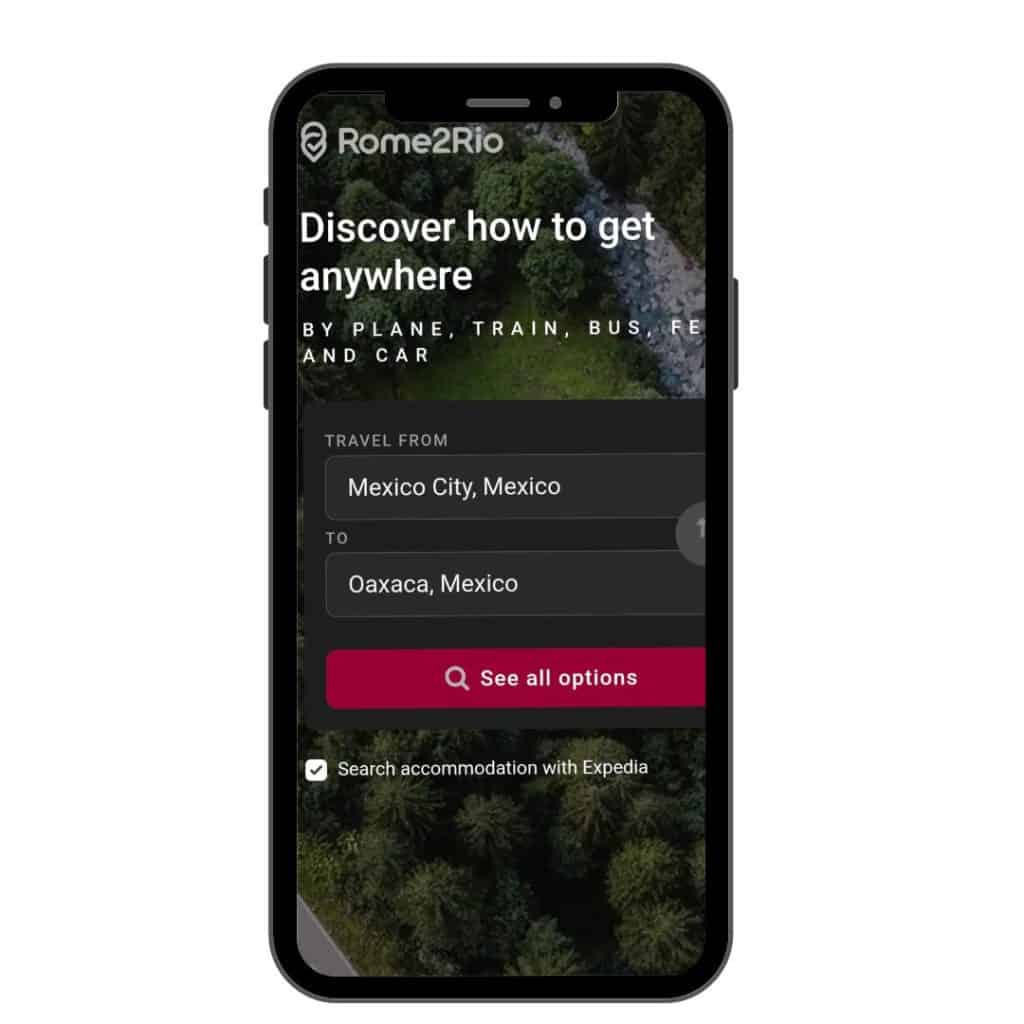
- Rome2Rio (my personal favourite!): Provides information on how to get from point A to point B using various forms of transportation, including buses.
- Busbud: Offers detailed bus schedules and ticket purchasing options for bus routes all over Mexico.
- ClickBus: Another user-friendly platform for booking bus tickets online, especially helpful for international travelers.
Local Information
Once you’re in Mexico, asking locals or fellow travelers for advice is one of the best ways to get information about buses (and make new friends!).
Hotel staff, taxi drivers, and even people at local markets can provide valuable insights about the most reliable bus companies or any changes in routes and schedules.
In smaller towns where online information may be less accurate or up-to-date, this kind of local knowledge is invaluable.
Bus Travel Cost
One of the biggest advantages of bus travel in Mexico is its affordability. Whether you’re traveling short distances or crossing entire states, buses offer an inexpensive option to explore the country.
The cost of bus travel can vary depending on factors such as the distance, the bus class (high-end vs. basic), and the company you choose.
With a wide range of options available, you can choose a bus service that fits your budget and comfort level.
Here’s a breakdown of what you can expect:
Short-Distance Trips
For shorter routes (under 4 hours), ticket prices generally range from 100 to 300 pesos ($7 to $21 CAD or $5 to $15 USD).
These prices are usually for high-end buses with companies like ADO or Primera Plus, which offer comfortable seats, air conditioning, and other amenities.
Basic buses will often cost less, but as mentioned earlier, they tend to be less comfortable and make more stops along the way. If you’re traveling between nearby towns or smaller cities, basic buses can be a great, low-cost option!
Long-Distance Trips
For long-distance routes (over 6 hours), ticket prices can range from 500 to 1,500 pesos ($35 to $105 CAD or $25 to $80 USD), depending on the company and level of service.
For instance, a bus from Mexico City to Oaxaca, which takes about 6 hours, typically costs around 600 pesos ($41 CAD or $30 USD) for a high-end ticket.
A trip from Mexico City to Cancun, which can take over 24 hours, might cost closer to 1,500 pesos ($105CAD or $80 USD) for a high-end seat.
Luxury Buses
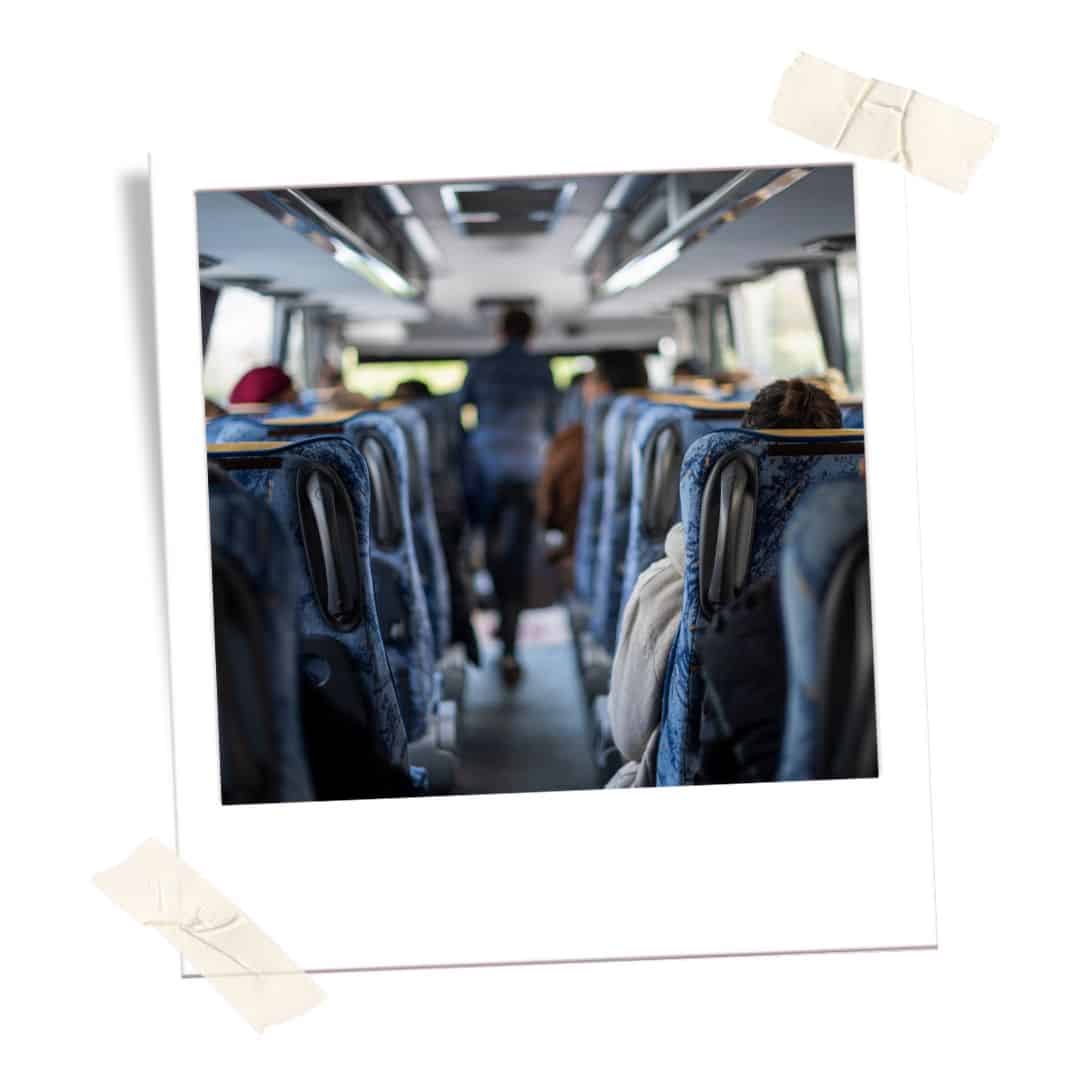
Some bus companies, such as ETN, offer luxury services that come at a premium price.
These buses feature extra-wide, fully reclining seats, personal entertainment screens, and meals or snacks.
A luxury bus ticket from Mexico City to Guadalajara, for example, might cost around 1,000 to 1,200 pesos ($71-85 CAD or $50-60 USD).
While this may seem more expensive than other buses, the additional comfort can be worth it for long overnight trips or if you simply prefer a more relaxed travel experience.
Discounts and Promotions
Bus companies in Mexico often offer discounts and promotions, especially if you book your tickets in advance or travel during off-peak times.
For example, some companies offer discounts for students, seniors, and children.
If you’re traveling during major holidays or festivals, it’s a good idea to book your tickets early, as prices can increase due to higher demand!
Additionally, signing up for email alerts or checking the company’s social media pages can help you stay informed about any special deals or discounts.
Is It Safe to Travel by Bus in Mexico?
Safety is always a primary concern for travelers, and the question of whether it’s safe to travel by bus in Mexico is an important one.
The good news is that bus travel is generally considered safe!
If you take a few basic precautions and choose reputable bus companies, like any form of travel, it’s important to stay informed and use common sense.
Reputable Bus Companies
First and foremost, if you’re new to travelling by bus in Mexico, stick to well-known and reputable bus companies like ADO, ETN, Primera Plus, and others.
These companies have established safety standards, operate modern and well-maintained buses, and have protocols in place to ensure passenger safety.
They also tend to have secure stations and terminals, making the overall experience safer from start to finish.
Choose Daytime Travel
While it’s safe to travel by bus at night, some travelers prefer daytime routes for peace of mind.
During the day, roads are typically busier, and you can better see your surroundings.
If you feel uneasy about traveling at night, opt for daytime departures, which also allow you to enjoy the scenic views during your journey.

Keep an Eye on Your Belongings
While bus travel in Mexico is largely safe, petty theft can happen, especially at busy bus stations or on crowded basic buses.
Always keep your valuables, such as passports, money, and electronics, close to you in a small day bag.
Avoid leaving expensive items in the overhead bins or under your seat, as these can be easily accessed by others when you’re not paying attention.
Onboard Security
Some bus companies provide additional onboard security measures, especially for longer routes.
For instance, it’s not uncommon for high-end and luxury buses to have a security guard on board, and some buses even use metal detectors or scan bags before boarding.
These measures can help put your mind at ease, knowing that the company is taking steps to ensure the safety of its passengers.
But remember! Bus travel in Mexico is considered a safe and reliable way to explore the country.
What You Need to Know About Mexico Bus Stations
Mexico’s bus stations, known as “terminales de autobuses,” vary in size and amenities depending on the city or town.
In larger cities, bus stations are often sprawling hubs with multiple ticket counters, food vendors, convenience stores, and waiting areas.
In smaller towns, bus stations can be much simpler, sometimes consisting of a single ticket window and a few seats.
Regardless of their size, here’s what to expect when navigating Mexico’s bus stations:
Major Bus Terminals
In major cities like Mexico City, Guadalajara, and Monterrey, bus terminals can feel almost like airports.
Mexico City, for instance, has several large bus terminals, including Terminal de Autobuses de Pasajeros de Oriente (TAPO) and Terminal Central del Norte. These bus stations have multiple levels, several waiting areas, food courts, and even shopping options.
It’s a good idea to arrive at least 1 hour before your bus departure to navigate through the station, especially if you need to check luggage.
Smaller Bus Terminals
In smaller towns and cities, bus terminals are more modest but still serve their purpose.
These stations often have a few ticket counters for different bus companies, a basic waiting area, and perhaps a small convenience store or snack stand.
It’s easier to navigate these stations, but it’s still a good idea to arrive early in case there are any changes to your route or departure time.
Ticket Counters and Boarding
At the bus station, each company typically has its own ticket counter, where you can purchase tickets if you haven’t already done so online.
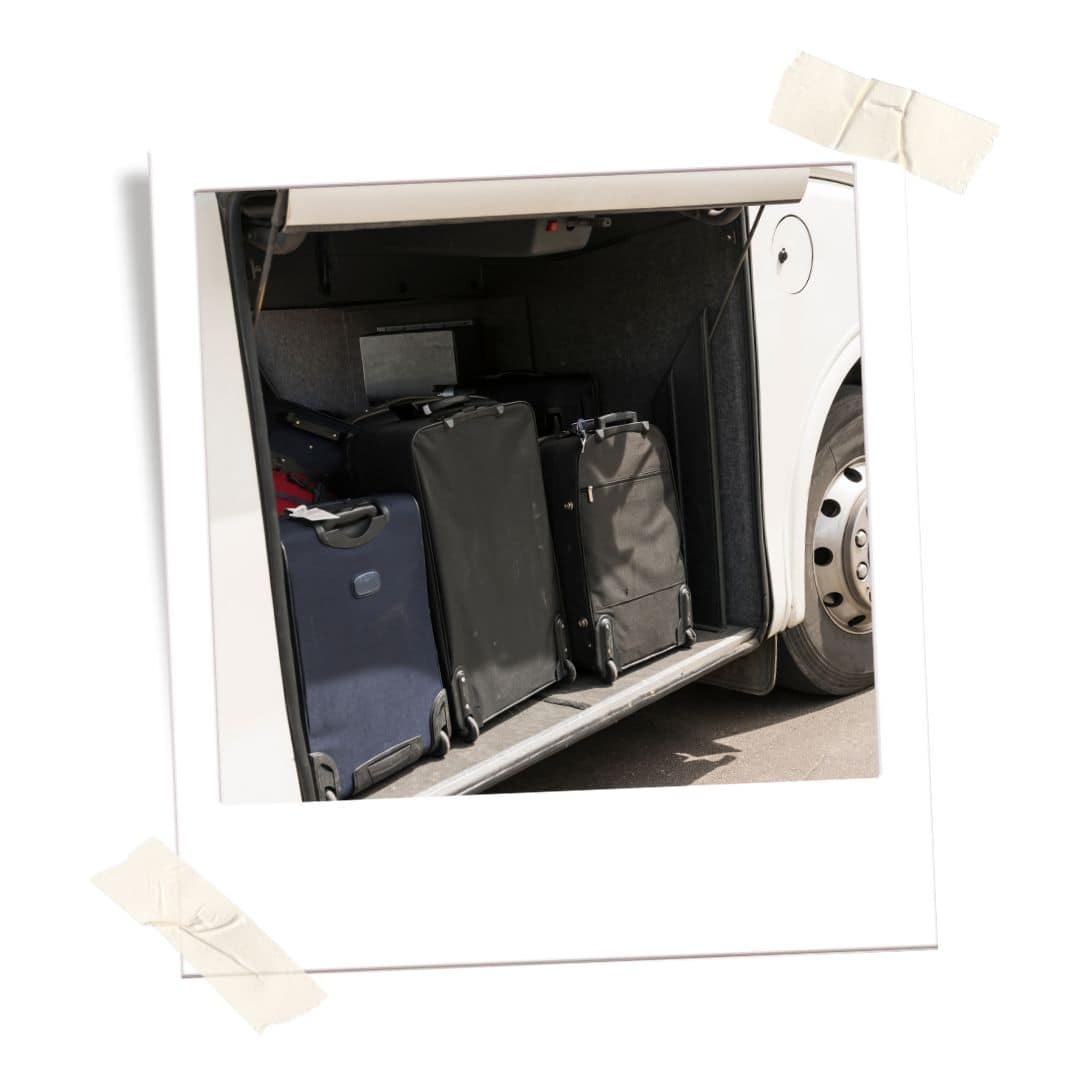
Once you have your ticket, you may need to check in your luggage (if it’s a large suitcase), after which you’ll receive a luggage tag to claim it at your destination.
Boarding procedures are fairly straightforward – staff will call out when it’s time to board, and you’ll usually need to show your ticket to the driver or attendant before getting on the bus.
Restrooms and Amenities
Most bus stations in Mexico have restrooms (often for a small fee, around 5-10 pesos) and a selection of snack stands or convenience stores.
In larger stations, you might find more options, such as fast-food restaurants, ATMs, and gift shops.
It’s a good idea to stock up on snacks and drinks before long trips, especially if you’re traveling on a basic bus that may not make many long stops!
High-End vs. Basic Buses
When traveling by bus in Mexico, one of the most important decisions you’ll make is choosing between high-end and basic buses.
Each offers distinct experiences, so the decision largely depends on your priorities, such as comfort, speed, price, and the length of your journey.
Next you’ll find an in-depth comparison of both options to help you decide which is best for your needs.
High-End Buses
High-end buses are the go-to option for travelers seeking comfort and convenience, especially on long-haul trips.
Offered by well-known bus companies like ADO, ETN, Primera Plus, and Omnibús, these buses are the backbone of Mexico’s intercity travel infrastructure.
Most long-distance routes are serviced by high-end buses, and they cover virtually all major tourist destinations as well as many smaller towns.
Key Features of High-End Buses:
- Reclining Seats: High-end buses are designed with passenger comfort in mind, featuring spacious, semi-reclining seats. The ample legroom allows you to stretch out and relax, even on overnight trips.
- Air Conditioning: Air conditioning is a staple in high-end buses, making travel through Mexico’s hotter regions much more bearable. The cool and well-regulated climate is a huge benefit, especially during the warmer months.
- Onboard Restrooms: Many high-end buses have onboard restrooms, usually located at the rear of the bus. This is especially important for longer trips, where rest stops might be infrequent.
- Entertainment: Some high-end buses offer personal entertainment screens, allowing you to watch movies, TV shows, or listen to music during the journey. This can be a major plus for long trips, as it helps pass the time.
- Wi-Fi and USB Charging Ports: While not always reliable, many high-end buses provide onboard Wi-Fi, which is great for staying connected or streaming content. You may also find USB charging ports or electrical outlets to charge your devices along the way.
- Fewer Stops: High-end buses are direct, making only a few necessary stops between your starting point and destination. This means quicker travel times and a smoother journey.
- Luggage Storage: High-end buses have secure luggage storage both underneath the bus and sometimes overhead. You can rest assured that your larger bags are safe, and you’ll receive a luggage tag for added security.
Basic Buses
Basic buses, while cheaper, offer a more basic and sometimes unpredictable travel experience.
Operated by smaller regional companies, basic buses service many routes across the country, including destinations that might not be accessible by high-end services.
While these buses get you where you need to go, the journey is often slower and less comfortable.
Key Features of Basic Buses:
- Basic Seats: The seats on basic buses are smaller, less cushioned, and may not recline as much (if at all). Legroom is limited, making it less ideal for longer trips.
- No Air Conditioning: Many basic buses lack air conditioning, especially those operating on local routes. In hot or humid climates, this can make for an uncomfortable ride.
- Frequent Stops: Basic buses stop frequently to pick up and drop off passengers, which significantly lengthens travel times. If you’re in a hurry, this may not be the best option.
- No Onboard Restrooms: Most basic buses don’t have onboard restrooms, so you’ll need to rely on scheduled stops at bus stations or along the route. This can be a bit of an inconvenience, especially on longer trips.
- Variable Bus Conditions: Basic buses can range from fairly new vehicles to older ones that may not be in the best condition. You might encounter buses with worn-out seats, broken windows, or less-than-ideal cleanliness.
- Luggage: Luggage storage is generally available, but it’s less secure compared to high-end buses. Always keep your valuables with you in a day pack rather than storing them in the luggage hold.
The choice between high-end and basic buses comes down to your travel needs. For longer journeys and a more comfortable experience, high-end buses are worth the extra cost.
However, if you’re traveling shorter distances or on a tight budget, basic buses are a viable option, especially for those wanting to explore less-touristy regions of Mexico.
Purchasing Bus Tickets Online vs at the Bus Station
When it comes to buying bus tickets in Mexico, travelers have two main options: 1) purchasing them online in advance or 2) buying them at the bus station.
Each method has its own advantages and disadvantages, and the best option for you depends on your travel style, flexibility, and whether you’re comfortable navigating digital platforms in Spanish!
Purchasing Bus Tickets Online
Buying bus tickets online is becoming increasingly popular, especially for high-end routes operated by companies like ADO, Primera Plus, and ETN.
Most of these companies have user-friendly websites where you can browse schedules, compare prices, and book tickets from the comfort of your home or hotel room.
Advantages of Buying Tickets Online:
- Convenience: You can book your tickets ahead of time, avoiding the hassle of standing in line at the station.
This is especially helpful if you’re traveling during peak seasons like Christmas, Semana Santa (Holy Week), or major festivals, when tickets sell out quickly.
- Guaranteed Seats: Purchasing your ticket online ensures that you have a reserved seat, which is important on popular routes or during busy travel periods.
- Seat Selection: Some companies, like ADO, allow you to choose your seat when booking online. You can select a window seat for better views or opt for a seat closer to the front if you’re prone to motion sickness.
- Payment Options: Most bus companies accept international credit or debit cards for online purchases, and some even accept PayPal, making it easy for international travelers to pay.
- Digital Ticket: After purchasing, you’ll receive a digital ticket via email, which you can either print or show on your phone when boarding. This saves you from carrying around paper tickets.
However, there are a few drawbacks to buying tickets online:
- Some websites are only available in Spanish, which can be a barrier if you don’t speak the language.
- Not all bus companies have online booking systems, particularly smaller, regional operators. In these cases, you’ll need to purchase your ticket at the station.
Purchasing Bus Tickets at the Station
Buying your bus ticket at the station is the traditional method, and for many travelers, it’s still a popular option!
If you’re not sure of your exact travel dates or if you prefer to stay flexible, buying tickets at the station might be the better choice.
Advantages of Buying Tickets at the Station:
- Flexibility: If your travel plans are flexible and you’re not tied to a specific schedule, buying tickets at the station allows you to book a seat for the next available bus.
This is great for spontaneous travelers who don’t want to commit to a set itinerary.
- Local Bus Companies: Not all bus companies have an online presence, especially smaller, regional operators. For routes to more remote areas, you may only be able to buy tickets at the station.
- No Tech Barriers: If you’re not comfortable navigating websites in Spanish or using your credit card online, buying tickets in person is a straightforward process.
Most bus station staff are used to dealing with tourists and can assist you in purchasing your ticket.
- Cash Payments: At the station, you have the option to pay in cash, which might be helpful if you’re traveling on a budget or if your card isn’t accepted online.
The downside of buying tickets at the station are:
- You may not always get the seat you want, especially during busy travel periods.
- You’ll need to arrive at the station early to purchase your ticket and might have to wait for the next available bus if the one you want is sold out.
Tips for Purchasing Tickets at the Station:
- Arrive Early: If you’re traveling during busy periods, it’s best to arrive at the station at least an hour before your desired departure time to ensure you get a ticket.
- Ask for Assistance: If you don’t speak Spanish, it’s a good idea to bring a phrasebook or use a translation app to help communicate with the ticket agent. In larger bus stations, some staff members may speak English.
- Check for Discounts: Some companies offer discounts for students, seniors, and children, but you’ll need to show the appropriate ID at the time of purchase. It never hurts to ask!
Overnight Bus or Daytime Bus?
When planning a bus journey in Mexico, one of the key decisions you’ll need to make is whether to travel by overnight bus or daytime bus.
Each option has its own set of advantages and challenges, and your choice will depend on factors such as travel time, personal comfort, and how much time you want to spend sightseeing.
Overnight Buses
Overnight buses are a popular option for long-distance travel, especially for routes that span 8 hours or more. Taking an overnight bus allows you to save on accommodation costs while maximizing your daytime hours for exploring.
Advantages of Taking an Overnight Bus:
- Maximizes Time: By traveling overnight, you’ll arrive at your destination in the morning, ready to start your day without having spent valuable daylight hours on the road.
This is ideal for travelers on a tight schedule who want to pack as much sightseeing into their trip as possible.
- Saves Money on Accommodation: Since you’ll be sleeping on the bus, you can skip the cost of a hotel or hostel for that night. This can be especially helpful for budget-conscious travelers.
- Less Traffic: Overnight buses often face less traffic than daytime buses, especially when traveling into major cities. This can result in shorter travel times and a smoother ride.
However, taking an overnight bus isn’t without its downsides:
- Sleep Quality: Even on high-end buses with reclining seats, sleeping on a bus is rarely as comfortable as sleeping in a bed.
You might find it difficult to get a good night’s rest, especially if you’re a light sleeper.
- Safety Concerns: While bus travel in Mexico is generally safe, some travelers may feel less secure traveling at night. It’s always a good idea to store your valuables securely and remain vigilant, especially when stopping at bus terminals.
- Limited Sightseeing: If you’re someone who enjoys watching the changing landscapes from the bus window, you’ll miss out on that experience by traveling overnight.
Some of Mexico’s long-distance bus routes, particularly those through mountainous or coastal regions, offer stunning views that are worth seeing in the daylight.
Daytime Buses
Daytime buses offer a more scenic and potentially more relaxed travel experience.
If you have the time to spare, taking a daytime bus can be a great way to enjoy Mexico’s diverse landscapes, from lush jungles and mountain ranges to desert plains and picturesque coastlines.
Advantages of Taking a Daytime Bus:
- Scenic Views: Traveling during the day allows you to take in Mexico’s varied and beautiful landscapes.
Many bus routes pass through scenic areas, giving you a chance to enjoy the country’s natural beauty from the comfort of your seat.
- More Secure Feeling: For some travelers, there’s a greater sense of safety when traveling during daylight hours. Bus terminals are often busier, and it may be easier to find help if needed.
- Easier to Stay Awake: If you struggle to sleep on buses, a daytime trip might be more comfortable. You can pass the time by reading, listening to music, or watching a movie, without the pressure of trying to fall asleep.
On the flip side, daytime buses also come with a few drawbacks:
- Takes Up Daylight Hours: Traveling during the day means sacrificing sightseeing time. If you’re on a short trip and want to make the most of your time at each destination, a daytime bus ride can feel like a lost opportunity.
- Heavier Traffic: Depending on your route, you may encounter heavier traffic during the day, especially when traveling into or out of major cities. This can lead to longer travel times and more frequent stops.
Wi-Fi on Buses in Mexico
As the world becomes more connected, Wi-Fi availability on buses is a factor many travelers consider when choosing transportation options.
In Mexico, the availability and quality of onboard Wi-Fi can vary depending on the bus company, route, and region. While the idea of staying connected during your journey is appealing, it’s important to manage expectations when it comes to internet access on buses.
High-End Buses and Wi-Fi Access
High-end bus companies such as ADO, ETN, and Primera Plus often advertise onboard Wi-Fi as a feature for passengers, and while it can be helpful, the quality of the connection can vary significantly.
Here are a few things to keep in mind if you’re counting on staying connected:
Wi-Fi Availability:
- Wi-Fi is most offered on high-end and executive-class buses, particularly on longer intercity routes. The Wi-Fi network is usually free to use, but you may need to ask the driver or onboard staff for a password.
- Some companies provide this service for the duration of your trip, but the quality of the connection tends to fluctuate, particularly in rural areas where cell towers are sparse.
Reliability:
- The quality of Wi-Fi on buses in Mexico is often inconsistent. In larger cities and along well-traveled routes, such as those connecting Mexico City, Guadalajara, and Oaxaca, the Wi-Fi may work well enough for light browsing or checking emails.
However, on rural routes or in mountainous regions, the signal may cut in and out or become non-existent.
- If you’re hoping to stream videos, join video calls, or work online during your journey, it’s wise to have a backup plan in case the connection is unreliable or too slow.
Data Limits:
- Some bus companies impose data restrictions, meaning you may find that you can only access the internet for a limited time or at limited speeds.
While Wi-Fi might allow you to send a few messages or check social media, heavy internet usage may not be supported.
Ultimately, while Wi-Fi is advertised as a perk on many high-end buses, it’s important to view it as a bonus rather than a guarantee. By preparing for limited connectivity, you can avoid frustration and enjoy your trip without relying too much on the bus’s Wi-Fi service!
Tips for Managing Your Expectations:
- Download Content in Advance: If you’re planning a long trip, download any media (like movies, shows, or podcasts) before your journey begins. That way, you won’t be relying on bus Wi-Fi to keep you entertained.
- Offline Maps: Download offline maps of your destination in advance to avoid connectivity issues upon arrival, especially if you’re heading to remote areas or unfamiliar bus terminals.
- Backup Connectivity: If staying connected is essential for you, consider purchasing a local SIM card with data, which can be a more reliable option. Many convenience stores and telecom kiosks in Mexico offer prepaid SIM cards with affordable data plans.
Luggage Storage
Traveling by bus in Mexico often means bringing along luggage and understanding the storage system can help ensure a smooth and worry-free experience.
Whether you’re taking a high-end or basic bus, most companies have systems in place for handling both large and small bags.
Below is a breakdown of how luggage storage works on buses in Mexico, along with some tips for keeping your belongings safe.
High-End Buses
High-end buses generally offer a more secure and organized luggage storage system compared to their basic counterparts. Here’s how it typically works:
Large Luggage (Under the Bus):
- Upon arrival at the bus station, you’ll check in your larger luggage, such as suitcases and backpacks, at the luggage counter or with the driver’s assistant. Your bag will be placed in the bus’s undercarriage storage compartment.
- In most cases, you’ll be given a luggage tag corresponding to your item. This tag helps ensure that only you can retrieve your bag upon arrival. Be sure to keep your luggage tag with you, as it will be required when you arrive at your destination.
- Buses generally have enough room to store even large items like surfboards, bicycles, or large suitcases, though it’s always a good idea to check with the company in advance if you’re traveling with oversized gear. Some companies may charge extra for unusually large or bulky items.
Carry-On Bags:
- On high-end buses, you’re allowed to bring a small carry-on bag onboard, which can be stored either in the overhead compartments or by your feet.
It’s a good idea to keep your most valuable items—like passports, electronics, and money—in your carry-on rather than stowing them in the luggage compartment.
- Overhead compartments can sometimes be small, so if you’re bringing a larger carry-on, it might need to go under your seat.
Basic Buses
Basic buses generally follow a similar system, though the level of organization and security may vary.
Large Luggage:
- While basic buses also store large luggage under the bus, the process may not be as formal or secure. In some cases, passengers are responsible for loading and unloading their own bags, and luggage tags may not be provided.
- It’s worth noting that basic buses may stop more frequently, which means your luggage might be handled more often, potentially increasing the risk of theft or misplacement.
For this reason, many travelers prefer to use high-end services for long-distance routes, especially if they’re carrying valuable or important items.
Carry-On Bags:
- Like high-end buses, basic buses allow you to bring a small carry-on item onboard. Always keep your valuables with you, as basic buses are more likely to stop at smaller, more crowded terminals where you may need to be more vigilant.
Luggage Security Tips
While bus travel in Mexico is generally safe, it’s always smart to take precautions with your belongings:
- Use a Lock: If you’re carrying a suitcase or backpack, consider using a small padlock for extra security. While it’s unlikely your bag will be tampered with, a lock offers peace of mind.
- Travel Insurance: If you’re carrying expensive gear (like a laptop, camera, or specialty equipment), consider getting travel insurance that covers lost or stolen luggage. This can be a lifesaver if something goes missing.
- Keep Essentials with You: Always keep your essentials in your carry-on bag, including your passport, wallet, phone, and other important items. That way, you won’t have to worry about losing anything critical if your luggage is delayed or lost.
Spanish Vocabulary for Bus Travel in Mexico
If you’re not fluent in Spanish, navigating bus travel in Mexico might seem a little daunting at first.
Fortunately, bus stations and ticket counters in larger cities often have some English-speaking staff.
However, it’s always helpful to have a few key Spanish phrases and vocabulary words handy to make your trip smoother.

Below is a list of useful Spanish words and phrases that will come in handy when booking tickets, boarding buses, and navigating bus stations in Mexico!
Essential Vocabulary:
- Autobús: Bus
- Estación de autobuses: Bus station
- Boleto: Ticket
- Boleto de ida: One-way ticket
- Boleto de ida y vuelta: Round-trip ticket
- Primera clase: First class
- Segunda clase: Second class
- Salida: Departure
- Llegada: Arrival
- Asiento: Seat
- Asiento de ventana: Window seat
- Asiento de pasillo: Aisle seat
- Equipaje: Luggage
- Maleta: Suitcase
- Mochila: Backpack
- Baño: Bathroom
- Parada: Stop
- Horario: Schedule
- Terminal: Terminal
- Conductor: Driver
- Reclinar el asiento: Recline the seat
- Pantalla: Screen, if your bus has entertainment
- Cargador: Charger, USB charging port
- Próxima parada: Next stop
Common Phrases for Bus Travel:
- ¿Cuánto cuesta un boleto a [destination]?: How much does a ticket to [destination] cost? Quisiera un boleto de ida a [destination], por favor: I would like a one-way ticket to [destination], please.
- ¿Hay boletos para hoy?: Are there tickets available for today?
- ¿Dónde está la estación de autobuses?: Where is the bus station?
- ¿Cuándo sale el próximo autobús a [destination]?: When does the next bus to [destination] leave?
- ¿Hay baño en el autobús?: Is there a bathroom on the bus?
- ¿Dónde puedo guardar mi equipaje?: Where can I store my luggage?
- ¿Cuánto tiempo dura el viaje a [destination]?: How long is the trip to [destination]?
- ¿Me puede ayudar a encontrar mi asiento?: Can you help me find my seat?
- Perdí mi boleto. ¿Qué puedo hacer?: I lost my ticket. What can I do?
Learning a few basic words and phrases will go a long way in helping you navigate bus travel in Mexico, and locals will often appreciate your efforts to speak their language!
Best Ways to Deal with Motion Sickness While Traveling by Bus in Mexico
For some travelers, the idea of winding through mountainous roads or cruising along highways in a bus might spark concerns about motion sickness.
If you’re prone to feeling nauseous or dizzy during bus rides (or even if you’re not!), especially in a country like Mexico where the terrain varies greatly, it can affect your overall experience.
Everyone’s tolerance is different, so it’s a good idea to experiment with different strategies to see what works best for you.
With a little planning and self-care, you can enjoy the beautiful scenery and cultural experiences that come with bus travel in Mexico, all while keeping motion sickness at bay.
Fortunately, there are several ways to manage or even prevent motion sickness, ensuring that your bus travel remains comfortable and enjoyable.
Here’s how you can deal with motion sickness while traveling by bus in Mexico:
1. Choose the Right Seat
Your seat placement on the bus can significantly impact whether or not you experience motion sickness.
Ideally, you should aim for seats at the front of the bus or those directly over the wheels. These spots tend to be more stable and experience less swaying or bumping during the ride.
Here’s what to consider when choosing your seat:
- Front Seats: The front section of the bus feels less of the twisting and turning movements that can trigger nausea. Additionally, you’ll have a clear view of the road ahead, which can help minimize disorientation.
- Middle Section: Seats in the middle, particularly over the wheels, provide a more balanced ride compared to the back, which tends to feel bumpier.
- Window Seats: While some people feel that gazing out the window can help reduce symptoms by giving them something to focus on, others may find that watching the passing scenery only worsens the feeling.
Pay attention to how your body reacts and choose the seat accordingly.
2. Stay Hydrated and Eat Light
Motion sickness can sometimes be exacerbated by dehydration or a heavy meal.
To avoid feeling ill during a bus trip, stay hydrated, but avoid drinking large amounts of water or sugary drinks just before departure. Opt for light, healthy snacks before boarding the bus.
3. Use Medication or Natural Remedies
If you’re someone who experiences frequent motion sickness, taking preventive medication might be the most effective option.
Here are some natural remedies that may help:
- Ginger: Ginger is a popular natural remedy known for its ability to soothe nausea. You can try ginger candies, ginger tea, or ginger capsules before your trip to help combat motion sickness.
- Peppermint: Peppermint has calming properties that may help alleviate nausea. Drinking peppermint tea, sucking on peppermint candies, or inhaling peppermint essential oil can ease symptoms.
4. Focus on the Horizon
If you’re feeling nauseous, try to focus on a stable point in the distance, such as the horizon or the road ahead. This helps your brain adjust to the motion of the vehicle and can reduce the sensation of dizziness.
Avoid looking at fast-moving scenery passing by, as it can exacerbate the feeling of being off-balance.
Other tips to help with focusing include:
- Avoid Screens and Reading: As tempting as it might be to read a book or scroll through your phone during long bus rides, focusing on something stationary while your body is in motion can trigger motion sickness. Instead, try listening to music or an audiobook if you need entertainment.
- Look Forward: Facing forward and looking at a fixed point in the distance, like the horizon or the road, helps keep your inner ear and brain in sync, which can reduce the effects of motion sickness.
- Close Your Eyes and Rest: Sleeping or closing your eyes helps to eliminate the disconnection between what your brain perceives and what your body is experiencing.
Is Traveling by Bus in Mexico Worth it? Spoiler Alert: Yes!
Traveling by bus in Mexico offers a unique and enjoyable way to experience the country. From the convenience and comfort of high-end buses to the budget-friendly options of basic services, bus travel is accessible to all types of travelers.
With well-connected routes across the country, buses can take you from bustling cities to small towns and remote destinations that are often off the tourist radar.
As you plan your journey, consider the type of bus that suits your needs, whether it’s the luxury of reclining seats and personal entertainment systems on a high-end bus or the local charm of a basic ride.
Be sure to check schedules in advance, choose between overnight and daytime travel based on your preferences, and keep some key Spanish phrases at the ready to make your journey smoother!
Traveling by bus in Mexico is an affordable and reliable way to explore the country’s vibrant landscapes, from tropical beaches to high-altitude cities and everything in between!
Safe travels!
Keep Exploring Mexico Magic
👉✨ 3 Days in Oaxaca: The Best Things to Do for First Timers in 2024
👉✨ Day Trips from Oaxaca: 8 Must-Visit Places in 2024
👉✨ Best Time to Travel to Oaxaca: A Guide to Seasons, Festivals, and Coastal Treasures