
3 Days in Oaxaca: The Best Things to Do for First Timers in 2024
From ancient ruins and colourful markets to delicious local cuisine and art, Oaxaca, officially known as Oaxaca de Juárez, is sure to capture your heart! For first-time visitors, 3 days in Oaxaca may seem short, but with thoughtful planning, it’s enough time to experience the magic at the heart of this city.
In July 2024, I spent two unforgettable weeks in Oaxaca during La Guelaguetza 2024 (I highly recommend – stay tuned for another post on this!), immersing myself in its culture, food, and celebrations.
Based on my time in Oaxaca, here’s the perfect itinerary for spending 3 days in Oaxaca, packed with must-see things to do and insider tips to make the most of your trip!
Quick Travel Resources
🛫 WISE – Multi-Currency Debit Card
🛫 REMITLY – International Money Transfer
What Makes Oaxaca So Special and Worth Visiting?
If you’re wondering whether Oaxaca is worth visiting, the answer is a resounding YES!
Oaxaca is a UNESCO World Heritage site known for its stunning colonial architecture, pre-Hispanic roots, and incredible food scene. Beyond its physical beauty, Oaxaca’s magic lies with a deep soul rooted in Indigenous traditions, paired with its modern creativity. The blend of the ancient with the modern, the vibrant with the tranquil, make it unlike anywhere else!
You will be mesmerized by Oaxaca’s street life, where every corner tells a different story. Whether you’re drawn by its cultural richness or its culinary fame (or both!), visiting Oaxaca is an unforgettable experience.
So slow down, take your time, and immerse yourself in the rhythm of daily life as you connect with the locals, their customs and histories, and their land.
Is 3 Days in Oaxaca Enough?
For first-timers, 3 days in Oaxaca is just right for getting a taste of everything this wonderful city has to offer—from historical landmarks and delicious foods to cultural insights and natural beauty. But, like any magical place, you’ll likely leave wanting more!
In three days, you can begin to immerse yourself in Oaxaca’s rich history, savor its mouth-watering dishes, and engage with its vibrant arts and crafts. It’s the perfect amount of time to scratch the surface and make a mental note to return…soon!
The city offers so much to see and experience that you’ll each day can be filled with the right amount of adventure and relaxation. If you plan carefully, you can cover the essential sights and experiences…and leave room to discover hidden gems!
By the end of your trip, you’ll feel like you’ve tapped into a part of Oaxaca’s soul, with plenty of stories to share and memories to keep.
Day 1: Immerse Yourself in Oaxaca’s Historic Centre
Start your journey by exploring the heart of Oaxaca de Juárez: the Centro Histórico (the historic centre). This area is a feast for the eyes, and it’s the best way to feel into the city’s atmosphere.


Photos © Daena Crosby
Go to the Centro
Start your day by wandering through the lively zócalo (main square). The square is surrounded by charming cafes and shops, making it a great spot to people-watch while sipping coffee.
Oaxaca’s architecture will captivate you, with the Catedral Metropolitana de Oaxaca serving a stunning example of Baroque design. If you can, spend some time inside the cathedral to admire its intricate details and take in the serene atmosphere. It’s not just a landmark, but a space of deep cultural and spiritual importance to Oaxacans.
The cathedral’s history dates back centuries, and stepping inside feels like stepping into a sacred space where time stands still.
Take the Touribus
From the zócalo, hop on the Touribus (usually an hour and costs 100 pesos) around the Centro Histórico. It will give you an easy overview of the city’s main landmarks.
It’s a great way to familiarize yourself with Oaxaca’s layout, learn about its history, and mark spots you want to revisit later. The ride provides useful commentary about the city’s colonial architecture, its famous residents, and its important role in Mexico’s history.
You can find the touribuses at: Calle Macedonio Alcalá & Av. Jose Maria Morelos
Be sure to ask about the price and the language of the tour as some are only in Spanish, a great to practice!
Eat at the Markets
A visit to Oaxaca’s markets is a must for any traveler! And, no trip to Oaxaca is complete without indulging in all the local food.
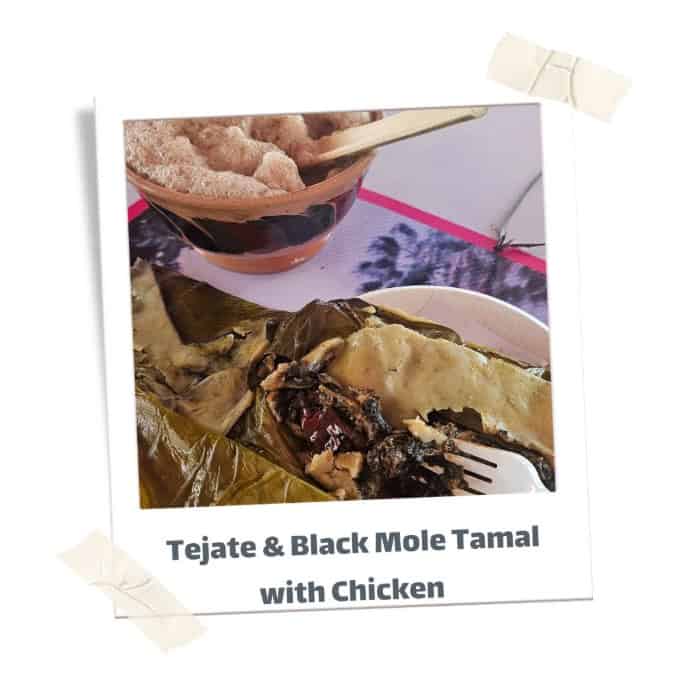
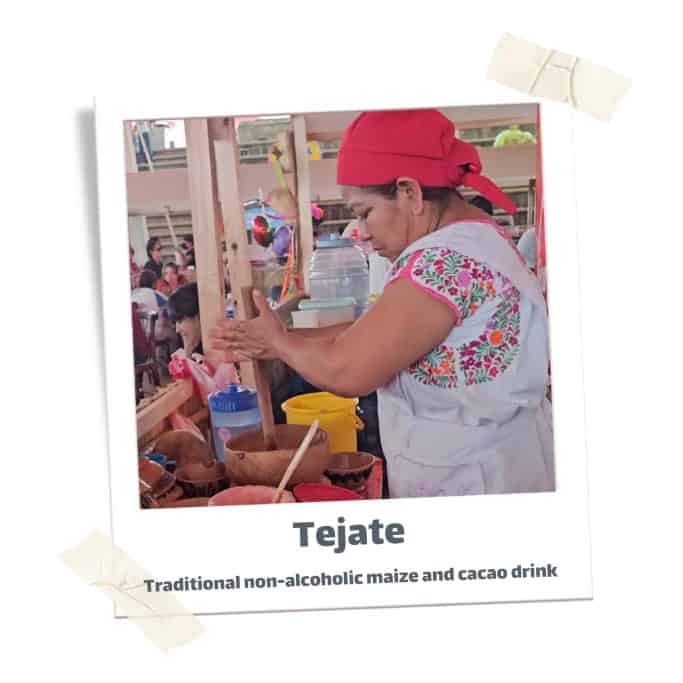
For lunch, eat at one of the many food stalls in Mercado 20 de Noviembre. This is where you can taste authentic Oaxaca flavours—tlayudas, moles, tamales, and more.
Don’t miss the smoky, grill-filled area called Pasillo de Humo, where you can order meats fresh off the fire and enjoy a hearty local meal.
The experience of eating at the markets is more than just a meal – it’s an introduction to the culinary traditions passed down through generations.
Photos © Daena Crosby
Support Indigenous Artists at the Mercados (Markets)
Stay at the Mercado 20 de Noviembre or head to Mercado Benito Juárez or Mercado de Artesanías to browse and buy beautiful handmade art and textiles.
These markets are the perfect opportunity to support local Indigenous artists by purchasing colourful or the traditional black pottery, embroidered textiles, and traditional and modern arts that represent Oaxaca’s rich cultural heritage.
These mercados offer a glimpse into the centuries-old traditions that keep Oaxaca’s Indigenous communities thriving. Don’t hesitate to chat with the vendors – they’ll often share the stories behind their art.


Photos © Daena Crosby
Explore the Street Art
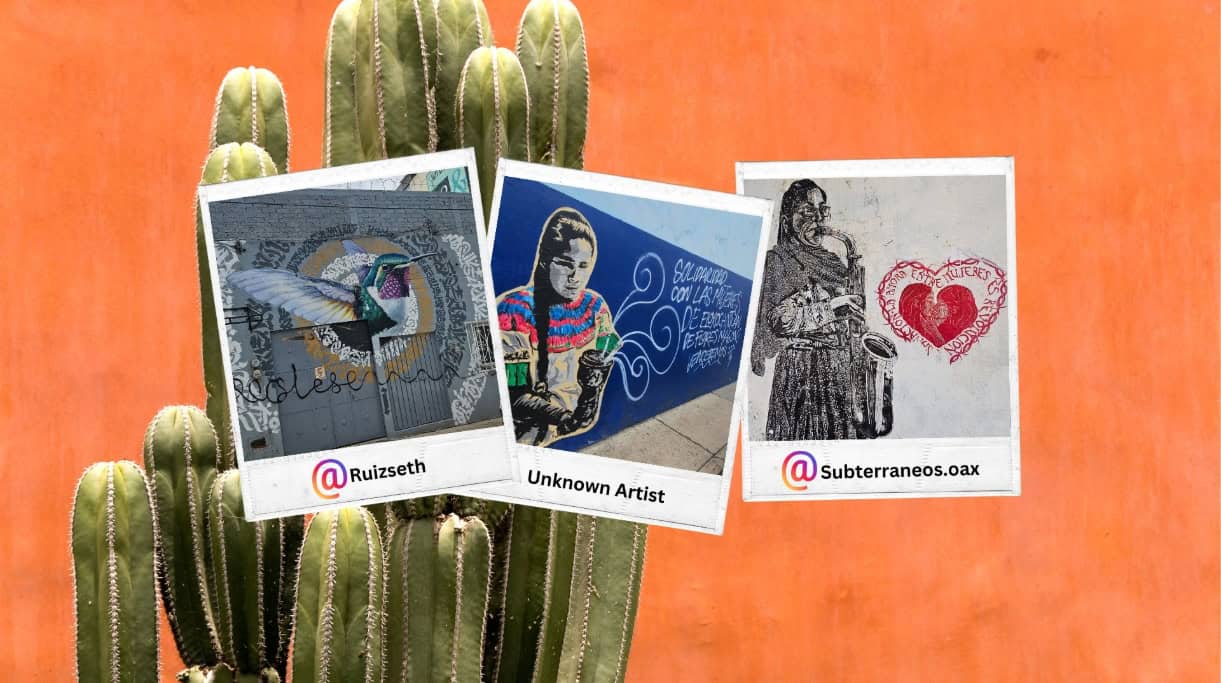
As you stroll through the historic centre, you cannot miss Oaxaca’s vibrant street art. The artwork is more than just decoration – it’s a visual story of Oaxaca’s heart and spirit.
Get to know some of the local artists, follow them on social media and buy from them as well!
Take time to explore the murals in the Jalatlaco and Xochimilco neighbourhoods, where the walls come alive with colourful depictions of the city’s culture, history, and social movements.
You might even find street performers and pop-up galleries that add to the city’s artistic energy.
Photos © Daena Crosby
Day 2: Dive Into Oaxaca’s Histories and Cultures
Now that you’ve gotten a little feel for the city’s energy, dive deeper into Oaxaca’s rich history and cultural offerings on Day 2!
Oaxaca’s history goes back thousands of years, and today, it’s a city where you can walk the same paths as ancient civilizations and experience the layers of its past.
Breakfast at Café Boulenc
To fuel your day of exploring Oaxaca’s rich history and culture, start with a delicious breakfast at Café Boulenc.
Known for its artisanal bread and relaxed vibe, Café Boulenc is a must-visit spot for both locals and travelers alike.
Located in the heart of the city, this café has earned a reputation for its freshly baked goods, creative menu, and warm atmosphere.

Photo © Daena Crosby
Café Boulenc offers a range of options, from hearty breakfasts to lighter fare, all made with high-quality, local ingredients.
Try their famous sourdough bread, or opt for one of their popular dishes like the avocado toast or breakfast sandwich. If you’re in the mood for something sweet, their pastries, especially the almond croissants, are a real treat! Pair your meal with a cup of their excellent locally roasted coffee or one of their fresh juices (or both!).
Café Boulenc stands out because of its dedication to sustainability and supporting local producers. The café is a great example of Oaxaca’s vibrant food scene, blending traditional Oaxacan ingredients with modern techniques.
Whether you’re looking to start your day with a full meal or just want to grab a quick pastry and coffee before heading out, Café Boulenc is the perfect place to kick off your second day in Oaxaca.
Visit the Museo de Arte Prehispánico de México Rufino Tamayo
Photos © Daena Crosby
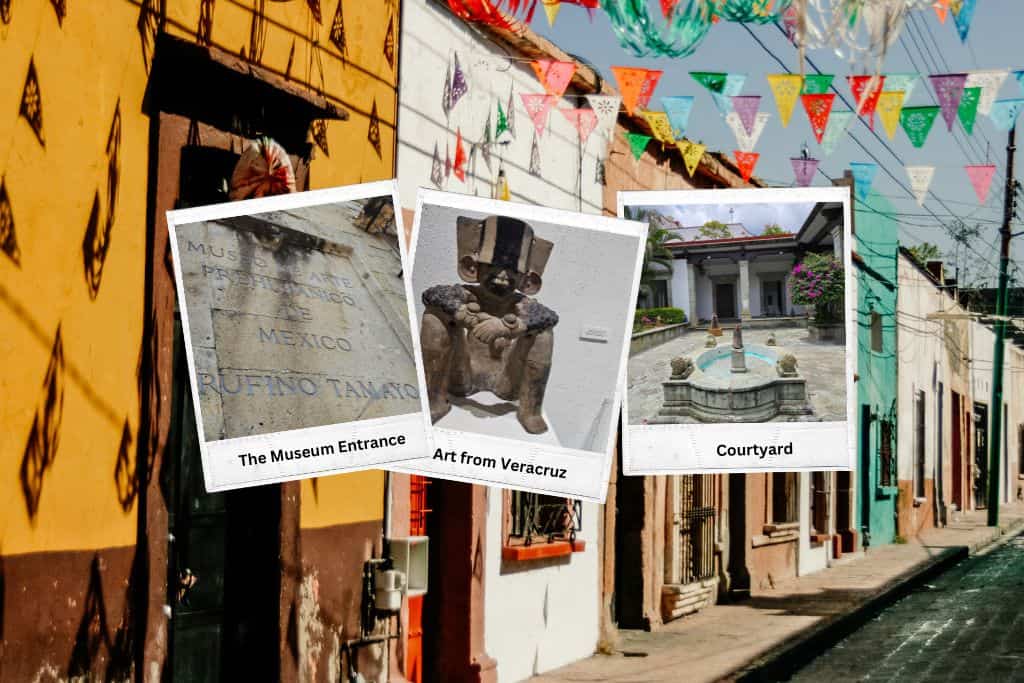
Head over to the Museo de Arte Prehispánico de México Rufino Tamayo to spend the rest of the morning diving into Oaxaca’s rich pre-Hispanic history.
This museum, named after the famous Oaxacan artist Rufino Tamayo, houses a stunning art collection. The museum’s unique focus on Mesoamerican civilizations makes it a must-visit for history buffs and art lovers alike.
The carefully curated collection includes intricate sculptures, pottery, and artifacts from ancient cultures such as the Zapotecs and Mixtecs, offering a glimpse into the artistry and symbolism of these civilizations.
What makes this museum particularly special is its presentation – Rufino Tamayo himself selected the pieces, ensuring that each artifact tells a story not just of the past, but of the continuing influence these cultures have on contemporary Mexican identity.
Take your time exploring the exhibits and pay attention to the beautifully designed spaces, which allow you to fully appreciate the artistry of these ancient cultures. The museum is intimate, yet its impact is profound, offering insights into the spiritual and cultural depth of pre-Hispanic Mexico.
After your visit, you’ll leave with a deeper understanding of Oaxaca’s ancient roots and the enduring histories of its Indigenous peoples.
Hours: 10am-5pm (daily except for Sundays 10am-3pm, closed on Tuesdays)
Cost: Free
Check out the Museo de las Culturas de Oaxaca, Santo Domingo
Spend the rest of the day at the Museo de las Culturas de Oaxaca, housed in the stunning Templo de Santo Domingo.
This museum offers an immersive look at Oaxaca’s pre-Hispanic past and colonial history. You’ll gain a deeper understanding of the cultural and historical significance of this region. The museum’s collection is extensive, and you could easily spend a few hours here delving into the treasures from Oaxaca’s past.
Hours: 9am-5pm weekly (closed Mondays).
Cost: 95 pesos for general admission. Admission is free on Sundays for Mexican citizens, and there are discounts for students, teachers, seniors, and children under 13 with valid identification.
Tour the Jardín Etnobotánico de Oaxaca
Right beside the museum, you’ll find the Jardín Etnobotánico de Oaxaca, a botanical garden that showcases native plants of the region. The tour walks you through the tranquil garden, which offers a peaceful retreat from the city’s buzz.
The garden is a living museum, highlighting Oaxaca’s diverse flora and the important relationship between its people and the land. Its unique collection of cacti, agave, and other local flora provides a beautiful contrast to the city’s architectural wonders.
Whether you’re an avid plant lover or just looking for a quiet place to reflect, the garden will offer you a peaceful escape.
Hours: Monday to Saturday (closed Sundays). Monday to Friday: 10:30am, 11am, 11:30, 12pm and 5pm. Saturdays: 10:30am, 11am, 11:30am, 12pm.
Cost: 50 pesos – *You must take the tour. They are available in Spanish. Another great opportunity to practice your Spanish!
Pro-Tip! There are no reservations or advance ticket sales so get there early (atleast 30min before) as the tours book up quickly!
Day 3: Expand into Oaxaca’s Cultural and Culinary Depths
On your final day in Oaxaca, dive deeper into the cultural, and culinary essence of the city. This day will be a perfect blend of art, history, and flavour, with plenty of opportunities to experience Oaxaca’s world-renowned mezcal, art scene, and incredible food.
Eat Breakfast at Sagrado Filemón Pan y Café
Begin your final day in Oaxaca with a visit to Sagrado Filemón Pan y Café, a must-go for coffee and fresh-baked bread lovers.
Located in the tranquil Barrio Xochimilco, this charming café offers a relaxed, cozy atmosphere perfect for easing into your day.
Known for its delicious artisanal bread and expertly brewed coffee, Sagrado Filemón is the ideal spot with a great terrace to savor a slow morning before diving into your final day in the city!
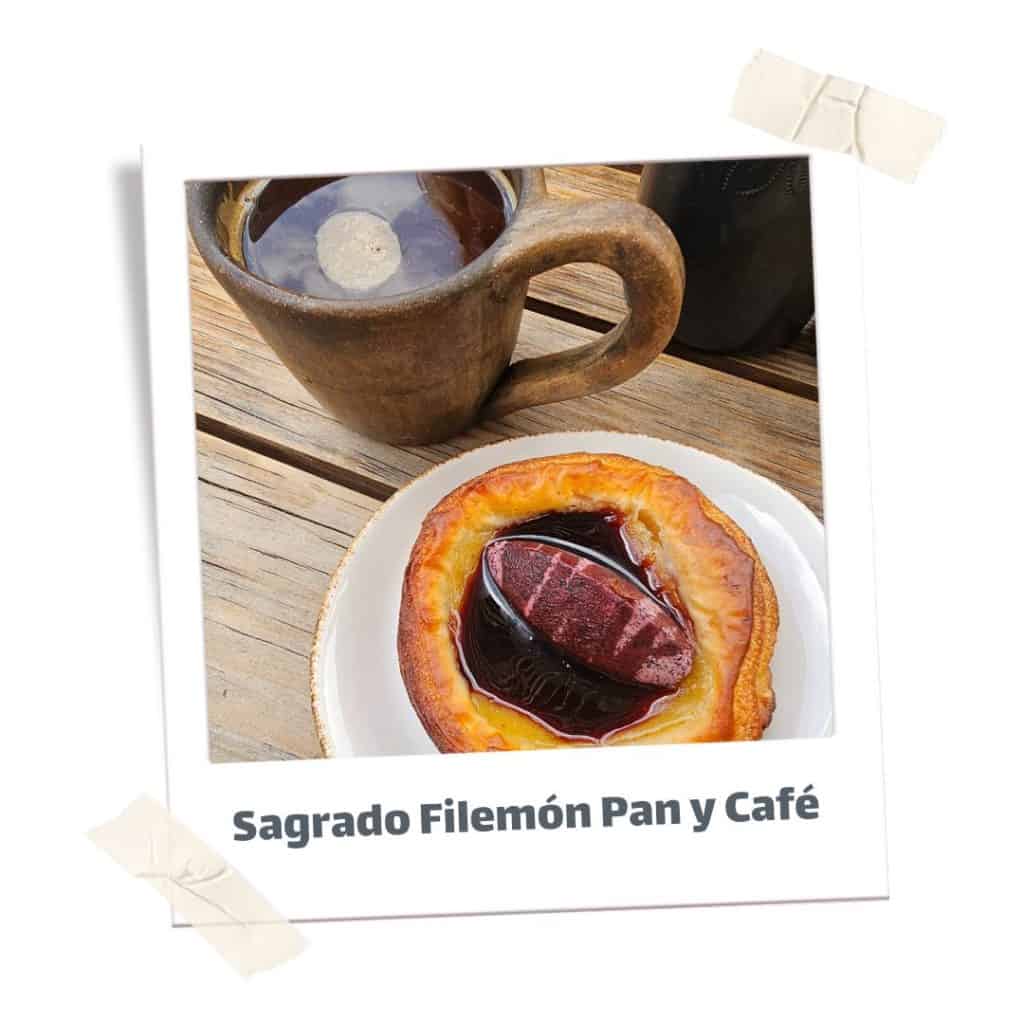
Photo © Daena Crosby
The café’s menu features a mix of traditional and modern breakfast items, all made from locally sourced ingredients. Whether you opt for a classic breakfast sandwich, their famous pancakes, or a fresh-baked croissant, you’re sure to leave satisfied.
Their coffee, which is grown on their own farm, is a highlight—you can choose from a variety of brewing methods like Chemex or Aeropress for the ultimate Oaxacan coffee experience.
Explore Oaxaca’s Art Galleries and Shops
Oaxaca is an artistic hub, and you’ll find galleries and artisan shops scattered throughout the city, especially in the Jalatlaco and Xochimilco neighbourhoods. These areas are known for their vibrant street art and galleries, where you can discover works by local artists.
Some top places to explore include:
- Taller de Jacobo y María Ángeles: Famous for their intricately carved and painted alebrijes, this artisan shop and gallery showcases traditional Oaxacan woodwork and fantastical figures. It’s a must-visit for those who appreciate Oaxacan folk art.
This workshop is run by a family of renowned Oaxacan artisans who create traditional alebrijes. They are known for their dedication to preserving Oaxacan wood-carving traditions, making this a local, family-operated business.
- Colectivo 1050º: This is the place to go for contemporary Oaxacan ceramics. The gallery and shop feature handcrafted pottery created using traditional methods by local artisans. You’ll find beautifully designed, minimalist pieces that blend modern and ancient influences.
This gallery showcases ceramics made by local Oaxacan artisans using traditional methods. The pieces are handcrafted and the collective supports local communities through fair-trade practices.
- Graphic Arts Institute of Oaxaca (IAGO): Founded by renowned artist Francisco Toledo, IAGO is a prominent art institution in Oaxaca. The gallery features rotating exhibits of contemporary and traditional Oaxacan art, and the adjacent shop has prints and unique pieces for sale.
Mezcal Tasting at Oaxaca’s Best Mezcalerías
No trip to Oaxaca is complete without experiencing its most famous drink – mezcal.
Known for its smoky flavour and deep cultural roots, mezcal is more than just a beverage in Oaxaca; it’s a tradition. Head to some of the city’s top mezcalerías for an authentic tasting experience.
Here are a few recommendations:
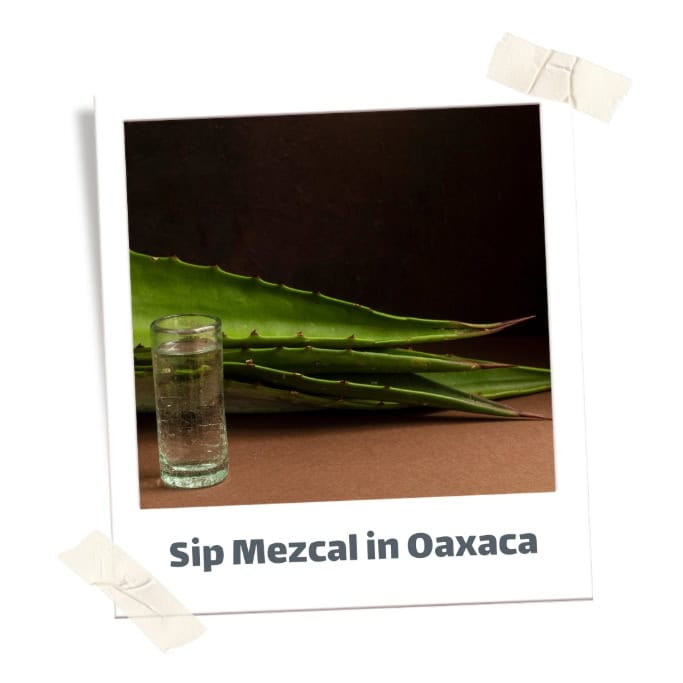
- Mezcalería In Situ: Known for its vast selection of artisanal mezcals, In Situ offers an educational tasting experience. The knowledgeable staff will guide you through the flavors and stories behind each type of mezcal, from small-batch family producers to well-known brands.
This mezcalería is co-founded by mezcal expert Ulises Torrentera and Sandra Ortíz Brena. They are committed to promoting mezcal culture with a vast selection of artisanal mezcals from small family producers, making it an authentic and locally driven establishment
- Mezcalería Los Amantes: Located near Santo Domingo, this mezcalería not only serves incredible mezcal but also offers a chic and cozy atmosphere. Sample a flight of mezcal varieties, including the rare and more complex ones. The staff is passionate about sharing their knowledge and making your tasting experience memorable.
This is a traditional mezcalería that promotes Oaxacan mezcal culture. It features a wide variety of mezcal produced using artisanal methods. The owners emphasize the link between mezcal, Oaxacan heritage, and community.
- La Mezcaloteca: This spot is a must for mezcal aficionados. La Mezcaloteca is a tasting room with a vast selection of mezcals produced by small, independent families from all over Oaxaca. The staff here will help you understand the subtleties of each variety and recommend the best ones based on your tastes
Established in 2010, La Mezcaloteca is a tasting room specializing in traditional mezcal made by small-scale Oaxacan producers. The emphasis here is on educating visitors about traditional mezcal production while supporting local families who have been crafting mezcal for generations
After indulging in mezcal, consider grabbing a small snack at one of the nearby food vendors or cafes to balance out the tastings. If you haven’t already, try some mole negro or chapulines (roasted grasshoppers) to get a full taste of Oaxaca’s diverse culinary offerings! Every dish tells a story, and every meal becomes a memory.
Enjoy Oaxaca’s Culinary Scene
As the day winds down, treat yourself to one last incredible meal in Oaxaca. The city’s restaurants reflect the best of Oaxacan flavours, from modern takes on traditional dishes to rustic recipes passed down through generations. Here are some top picks:
- Casa Oaxaca: Known for its upscale take on traditional Oaxacan cuisine, Casa Oaxaca offers a fine dining experience in a relaxed and beautiful setting. Try their mole negro or the famous queso fresco appetizer for a truly authentic taste of Oaxaca’s flavours.
- Los Danzantes: Situated in a stunning open-air courtyard, Los Danzantes offers a contemporary Oaxacan menu that showcases local ingredients with a modern twist. The ambiance is warm and inviting, perfect for a relaxed evening. Be sure to pair your meal with one of their signature mezcal cocktails!
Casa Oaxaca and Los Danzantes are both locally owned and deeply involved in promoting Oaxacan cuisine, blending modern and traditional flavours. These restaurants prioritize local ingredients and support regional farmers.
- La Teca: If you’re looking for something a bit more traditional and off the beaten path, La Teca serves authentic food from the Isthmus region of Oaxaca. Known for dishes like guetabingui (corn dough stuffed with dried shrimp) and tasajo (cured beef), La Teca provides a unique culinary experience that highlights regional Oaxacan specialties.
La Teca is a locally owned restaurant in Oaxaca. It is run by Deyanira Aquino from Juchitán de Zaragoza in the Isthmus of Tehuantepec region. La Teca is known for its traditional Isthmus cuisine, offering an authentic Oaxacan culinary experience in a family-owned setting.
Take in Your Last Moments in Oaxaca’s Markets and Art Districts
End your 3-day journey by returning to Oaxaca’s markets to pick up any final souvenirs and enjoying the local art galleries.
If you have time, visit the Museo Textil de Oaxaca, where you can explore a beautiful collection of textiles and learn about the significance of weaving in Oaxaca’s Indigenous communities. These textiles reflect Oaxaca’s cultural depth and are often handwoven by skilled artisans.
Whether you’re shopping or admiring, the markets and galleries provide an intimate connection to Oaxaca’s artistic soul.
Three days in Oaxaca might feel short, but it’s enough to dive into the heart of this magical city. Whether you’re exploring its historic center, savoring its renowned cuisine, or supporting local artisans, Oaxaca will leave a lasting impression on you.
With its unique blend of ancient traditions and modern vibrancy, Oaxaca is a destination you’ll want to return to again and again. Every visit brings new experiences, new discoveries, and deeper connections with the people and culture.
Travel Responsibly: How to Avoid Fueling Oaxaca’s Gentrification
As Oaxaca grows in popularity as a travel destination, the effects of gentrification are becoming more visible in certain neighbourhoods. Gentrification often leads to rising rents, displacement of local residents, and shifts in the cultural landscape.
As travelers, it’s important to be mindful of the impact we have on the communities we visit, and there are a few ways you can help mitigate these effects while still enjoying everything Oaxaca has to offer.
1. Stay in Locally Owned Accommodations
Rather than opting for international hotel chains or Airbnb rentals in areas where locals are being priced out, try to stay in locally owned hotels, guesthouses, or homestays. These places are often run by families who rely on tourism income, and your stay helps keep money within the community.
Plus, local accommodations tend to offer a more authentic experience, providing insight into Oaxacan hospitality and culture.
2. Shop at Local Markets and Support Indigenous Artisans
Oaxaca is known for its vibrant markets, many of which are made by Indigenous artisans who have been practicing their craft for generations.
When you shop at local markets like Mercado Benito Juárez, Mercado 20 de Noviembre, or Mercado deArtesanías, you’re directly supporting the people who live and work in Oaxaca. Avoid mass-produced souvenirs and instead invest in handmade items such as alebrijes, pottery, textiles, and other crafts that reflect Oaxaca’s rich cultural heritage.
3. Eat at Family-Owned Restaurants
When choosing where to dine, prioritize locally owned, family-run restaurants over large international chains or tourist-centric eateries.
Oaxacan cuisine is renowned for its flavours, and by eating at traditional fondas (small local restaurants), you’ll not only enjoy the best of Oaxacan food but also contribute to the livelihoods of local families.
These places often serve fresh, homemade dishes using locally sourced ingredients, making it a win-win for your taste buds and the community.
4. Avoid Driving Up Real Estate Costs
Airbnb and other short-term rental platforms have contributed to rising property values in Oaxaca, displacing local residents who can no longer afford to live in their neighbourhoods.
To avoid exacerbating this issue, try to stay in traditional hotels, inns, or community-run guesthouses rather than booking entire apartments in central neighbourhoods.
This not only helps local businesses but also ensures that the impact of tourism doesn’t displace long-term residents.
5. Be Mindful of Cultural Spaces
While it can be tempting to only visit trendy, tourist-oriented cafes, bars, and galleries, it’s important to recognize when these spaces may contribute to displacing local businesses or changing the cultural character of a neighbourhood.
Seek out cultural centers, traditional art galleries, and performance spaces run by local artists and residents. These spaces are often more connected to Oaxaca’s authentic cultural fabric and provide a platform for local talent.
6. Engage Respectfully with the Community
Finally, be aware of your actions as a visitor. Always engage respectfully with locals and take time to learn about the social and economic issues facing Oaxaca.
Attend community-led cultural tours or workshops to understand the traditions and history of the region from the perspective of those who have lived there for generations.
Ask questions and listen to the concerns of the local community to ensure that your impact as a traveler is a positive one.
By being conscious of how your spending and behaviour impact the local community, you can help Oaxaca maintain its unique identity and ensure that its residents continue to thrive in the face of growing tourism.
Tourism & Its Impact in Oaxaca: What You Should Know
As travellers, it’s easy to focus on the beauty and richness of Oaxaca – its vibrant cultures, incredible food, and breathtaking landscapes.
And it’s equally important to understand how tourism impacts the daily lives of the people who call this place home.
In recent years, Oaxaca has faced serious challenges due to over-tourism. One major concern is water access.
In some communities, water is being diverted to serve hotels and tourist zones, while local families go without. This isn’t just an environmental issue – it’s a matter of justice, equity, and respect.
While staying in boutique hotels or taking long showers might seem harmless, those conveniences can come at a cost to local communities who experience water scarcity and rising living expenses.
Responsible travel in Oaxaca means recognizing these realities and making informed, compassionate choices.
Support community-led initiatives, conserve water during your stay, and stay curious about how your presence affects the local ecosystem – both socially and environmentally.
Watch this important short video by Bianca Graulau, an independent journalist, to learn more about how tourism is impacting Indigenous communities in Oaxaca and beyond: 👉 Watch now
Awareness is a first step toward change. Let’s travel in relationship – with the land, with the people, and with humility.
8 Travel Tips for Your 3 Days in Oaxaca!
1. Learn How to Pronounce Oaxaca Correctly
Oaxaca is pronounced “wah-HAH-kah.” Getting this right will earn you some points with locals and help you feel more connected to the culture.
2. Expect People to Speak Spanish
While some people in tourist areas may speak English, it’s always helpful to know a few key Spanish phrases to make your trip smoother. Locals will appreciate the effort, and it can enhance your experience of interacting with Oaxacan people.
3. Download and Use Google Translate
If your Spanish isn’t strong, that’s ok! Google Translate can be your new best friend. You can download the Spanish language pack to use the app offline during your trip, ensuring you can communicate even without an internet connection.
When travelling to museums, Google Translate comes in handy to take photos of information and translate it for you.
4. Practice Politeness
Oaxaca is known for its warm and welcoming people, and politeness is highly appreciated. Reciprocating simple gestures such as saying “buenos días” (good morning) or “gracias” (thank you) go a long way.
Being respectful and polite will enrich your interactions with locals.
5. Carry Cash (Pesos)
Most local vendors and markets only accept cash, so be sure to carry enough pesos with you, especially when shopping at markets or eating at smaller establishments. ATMs are available in the city, but it’s wise to have some cash on hand before heading out.
It’s always best to break big bills sooner than later as most vendors do not have change.
6. Support Local People as Much as You Can
Oaxaca is home to a thriving community of artisans and family businesses. Whenever possible, support local vendors, eat at family-owned restaurants, and buy handmade goods from Indigenous artisans and street vendors.
This not only enriches your experience but also contributes to the local economy in meaningful ways.
7. No Uber – Take Taxis or Local Buses
There’s no Uber in Oaxaca, so you’ll need to rely on taxis or local buses to get around. When taking a taxi, always agree on a price with the driver before getting in to avoid confusion at the end of your trip.
The city’s Centro Histórico is very walkable, so pack comfortable shoes for exploring on foot!
8. Google Maps May Be Wrong – Check in Person
In Oaxaca, Google Maps isn’t always reliable when it comes to hours of operation for local shops, museums, and restaurants.
Always double-check in person or call ahead, especially if you’re planning to visit a specific location. Schedules may change frequently without notice.
Leaving Your 3 Days in Oaxaca with a Full Heart
As your 3 days in Oaxaca come to an end, I hope you’ll leave with a deeper appreciation for its vibrant cultures, rich histories, and delicious foods.
By traveling responsibly, supporting local artisans, and respecting the city’s traditions, you’re not only creating unforgettable memories but also contributing to the preservation of what makes Oaxaca so special.