
Best Time to Travel to Oaxaca: A Guide to Seasons, Festivals, and Coastal Treasures
Oaxaca, one of Mexico’s most culturally rich and geographically diverse states, offers something special year-round. Knowing the best time to travel Oaxaca is key to making the most of your trip!
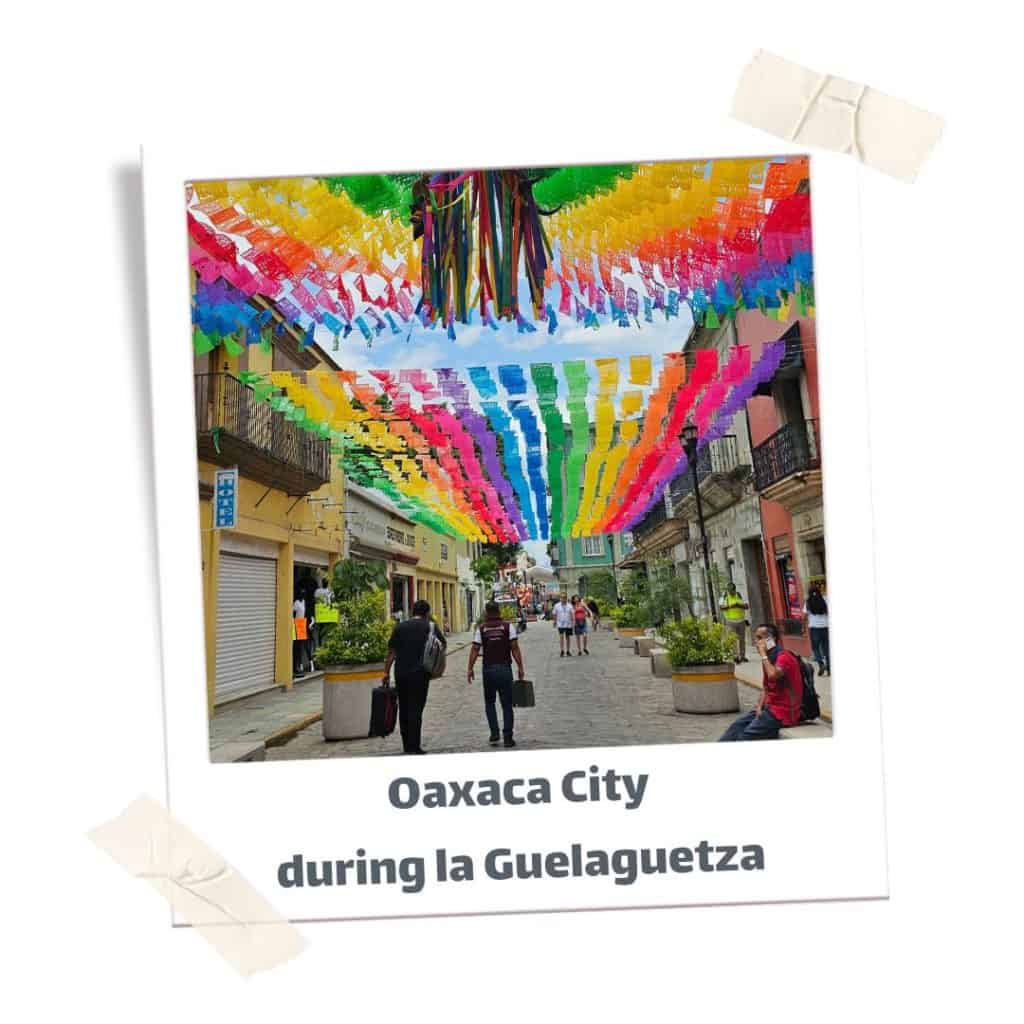
Whether you’re drawn to the vibrant energy of its festivals, like the Guelaguetza or Día de los Muertos (Day of the Dead), the quiet charm of its rainy season when the landscape turns lush and green, or the sun-drenched days along the Oaxacan coast – there’s always magic waiting for you.
Your travel desires can shape the best time for you to visit. In Oaxaca, every season offers authentic and unforgettable experiences!
In this guide, we’ll explore the seasons of Oaxaca and I will share some tips on how to travel mindfully, with an appreciation for the region’s Indigenous histories and environmental sustainability.
Quick Travel Resources
🛫 WISE – Multi-Currency Debit Card
🛫 REMITLY – International Money Transfer
Best Time to Visit Oaxaca City
Oaxaca City (Oaxaca de Juárez), the state’s bustling state capital, is a destination that blends history, art, and culture, attracting travelers from all over the world. When it comes to planning your visit, it’s essential to consider the city’s distinct seasons – each offering something unique.
High Season: November to March
The high season in Oaxaca coincides with the dry season, making it the most popular time to visit. From November to March, the weather is mild and sunny, with comfortable daytime temperatures ranging from 22°C to 27°C (72°F to 80°F).
The pleasant weather makes this season ideal for exploring Oaxaca’s many attractions, including the Templo de Santo Domingo, the Jardín Etnobotánico, and the bustling markets.
One of the main draws during the high season is the numerous cultural festivals, such as Día de los Muertos (Day of the Dead) in November and Christmas celebrations in December. These events showcase the vibrant traditions of Oaxaca’s Indigenous communities, offering an opportunity to witness and be part of their ancient traditions and ceremonies.
While the high season promises great weather, it also means higher prices for accommodations and more tourists in popular areas.
For responsible travelers, it’s important to book early to secure locally owned accommodations and experiences, supporting the community while avoiding the impact of overcrowding.
Shoulder Season: April to June
The shoulder season, from April to June, is an excellent time to visit Oaxaca City if you want to avoid the crowds but still enjoy relatively good weather.
While April is still part of the dry season, temperatures begin to climb, reaching highs of 30°C (86°F). May and June mark the beginning of the rainy season, but showers are typically brief and in the late afternoon, leaving plenty of time to explore the city.
Visiting during the shoulder season allows for more relaxed exploration of Oaxaca’s top sites, such as the Zócalo and nearby archaeological ruins like Mitla and Monte Albán.
It’s also an ideal time to explore Indigenous towns in the surrounding mountains, where you can learn about traditional crafts such as weaving and pottery-making directly from the artisans.
Low Season: July to October
The low season in Oaxaca spans from July to October and is characterized by frequent rainfall, particularly in the afternoons and evenings.
While the rain deters some visitors, it also brings the landscape to life – lush greenery blankets the valleys and hills, creating a striking contrast to the dry months.
If you don’t mind the rain, this is a beautiful time to explore the region’s natural landscapes, including the many hiking trails around Hierve el Agua and San José del Pacífico.
The low season also offers an opportunity for budget travelers, as accommodation prices drop significantly, and popular sites are far less crowded. While it’s important to be prepared for the rainy weather, you’ll be rewarded with a more intimate experience of Oaxaca’s culture and history.
Best Months to Visit for Festivals and Events
Oaxaca’s festivals are an integral part of its cultural identity, deeply rooted in Indigenous traditions. Planning your trip around these events can enhance your experience, allowing you to participate in celebrations that have been passed down through generations.
1. Día de los Muertos (Day of the Dead): Late October to Early November
Perhaps Oaxaca’s most famous festival, Día de los Muertos (Day of the Dead), is celebrated from October 31 to November 2.
During this time, the city comes alive with altars (ofrendas), processions, and vibrant marigold flowers (cempasúchil) adorning the streets.

The celebration is a profound expression of Indigenous and religious beliefs surrounding death, where families honour their ancestors and celebrate the continuity of life.
Traveling responsibly during Día de los Muertos means respecting the sacred nature of these celebrations. While visitors are welcome to observe and participate, it’s essential to remember that this is a deeply personal time for many families. Supporting local artists and purchasing handmade decorations or traditional food from local vendors helps ensure that tourism benefits the community.
2. Guelaguetza: July

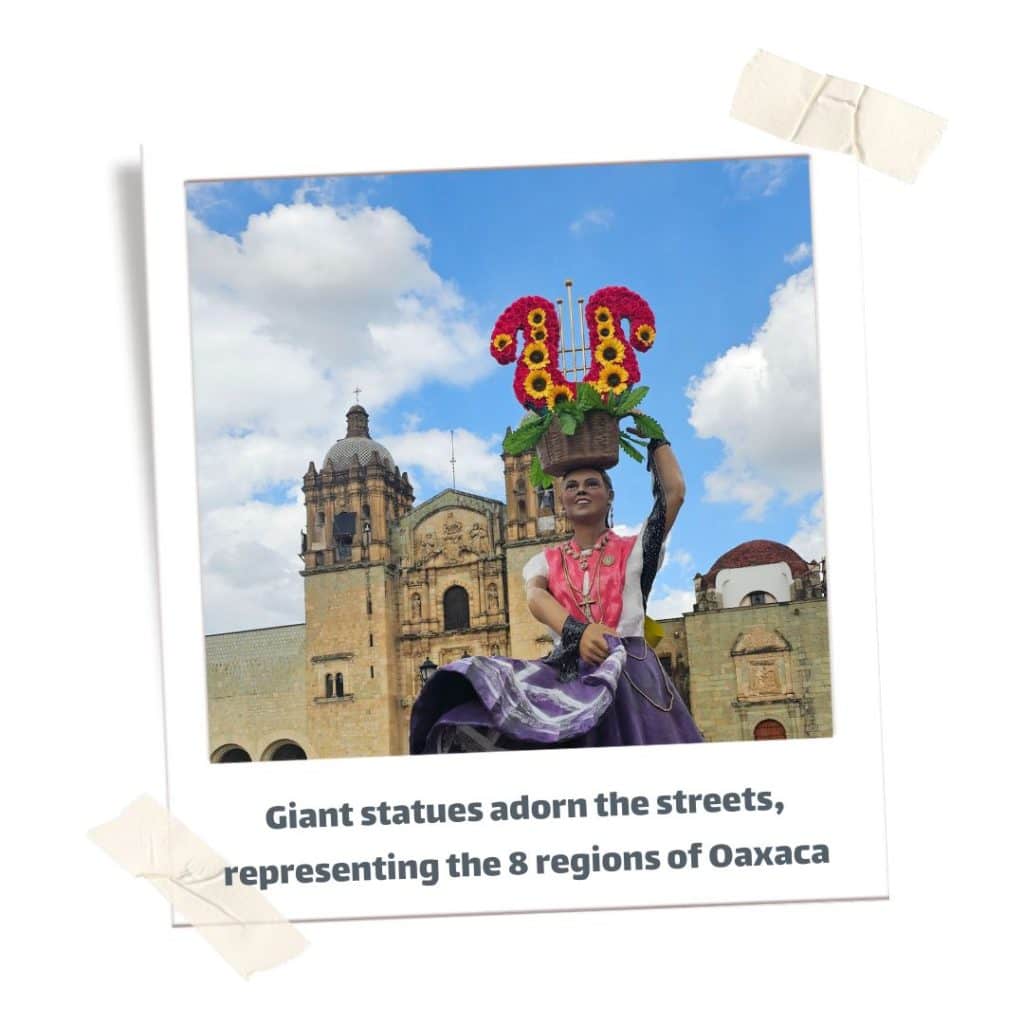
Photos © Daena Crosby
The Guelaguetza, held every year in July, is another important celebration in Oaxaca, showcasing the state’s Indigenous cultures through dance, music, and traditional attire.
The festival dates to pre-Hispanic times and was originally a way for Indigenous communities to share their resources and goods.
Today, the Guelaguetza is a vibrant celebration of Oaxaca’s diverse Indigenous heritage, with each region presenting its unique traditions.
This is an ideal time to visit if you want to immerse yourself in Indigenous culture and witness the deep-rooted connections between the land and its people.
With the influx of visitors during this time, booking accommodations in advance is highly recommended.
3. Night of the Radishes: December
For a truly unique festival, visit Oaxaca in December for the Night of the Radishes (Noche de Rábanos). Held on December 23, this quirky event features elaborately carved radishes that depict everything from nativity scenes to Oaxacan folklore. It’s a fun and festive way to experience the city’s creative spirit, and the event often includes a market where you can buy local crafts and Christmas gifts.
What to Pack by Season
No matter when you visit Oaxaca, packing with the season in mind will help ensure a comfortable and enjoyable trip.
High Season (November to March)
- Light layers: Mornings and evenings can be cool, especially in the mountains, so bring a sweater or light jacket.
- Comfortable walking shoes: Oaxaca City’s cobblestone streets and archaeological sites require sturdy footwear.
- Sunscreen and hat: The dry season means lots of sunshine, so protect yourself from the sun.
Shoulder Season (April to June)
- Light, breathable clothing: As temperatures rise, especially in April, lightweight clothing is a must.
- Rain jacket: By May and June, afternoon rain showers are common, so pack a waterproof jacket.
- Reusable water bottle: Staying hydrated is key, especially during the warmer months.
Low Season (July to October)
- Waterproof gear: With frequent rain, you’ll want to pack a good rain jacket, umbrella, and waterproof shoes.
- Insect repellent: The rainy season brings mosquitoes, so come prepared!
- Quick-dry clothing: Opt for clothing that dries quickly in case you get caught in a rain shower (and you will!).
Best Time to Visit Puerto Escondido & Huatulco
While Oaxaca City is an inland gem, the Oaxacan coast is equally captivating, with its stunning beaches and laid-back coastal towns. The best time to visit the coast depends on what you’re looking for in your beach experience.
Puerto Escondido
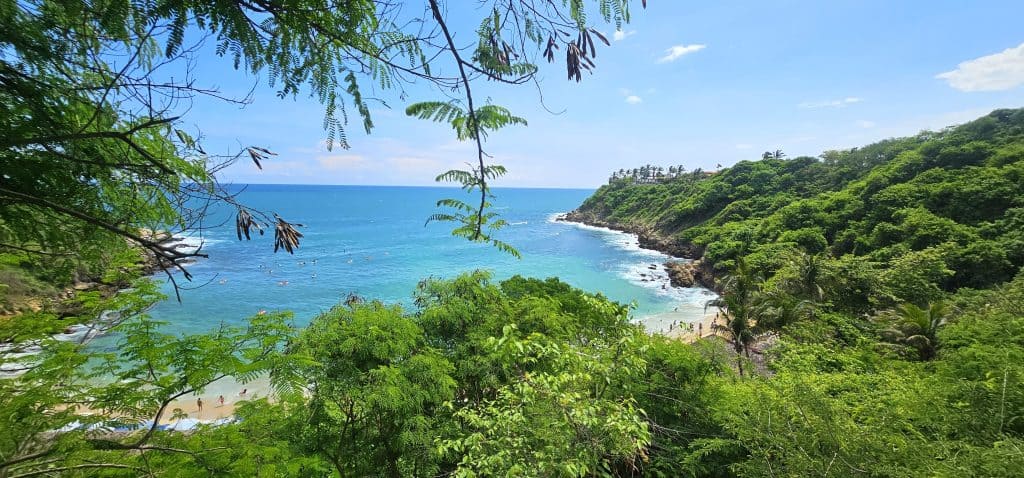
Playa Carrizalillo, Puerto Escondido. Photo © Daena Crosby
Puerto Escondido is famous for its world-class surfing, especially at Zicatela Beach, known for its powerful waves. The best time to visit for surfing is from April to September, when the waves are at their peak. However, if you’re not into surfing, the cooler, drier months from November to March are ideal for relaxing on the beach, swimming in calmer waters, and enjoying the town’s vibrant nightlife.
Beyond surfing, Puerto Escondido offers visitors the chance to connect with local life. The nearby Manialtepec Lagoon is a great place for responsible eco-tourism, where you can witness the phenomenon of bioluminescence at night. Supporting local guides who offer tours of the lagoon ensures that your visit benefits the community.

Photo © Daena Crosby
Huatulco
For those seeking a more tranquil beach experience, Huatulco is a perfect option.
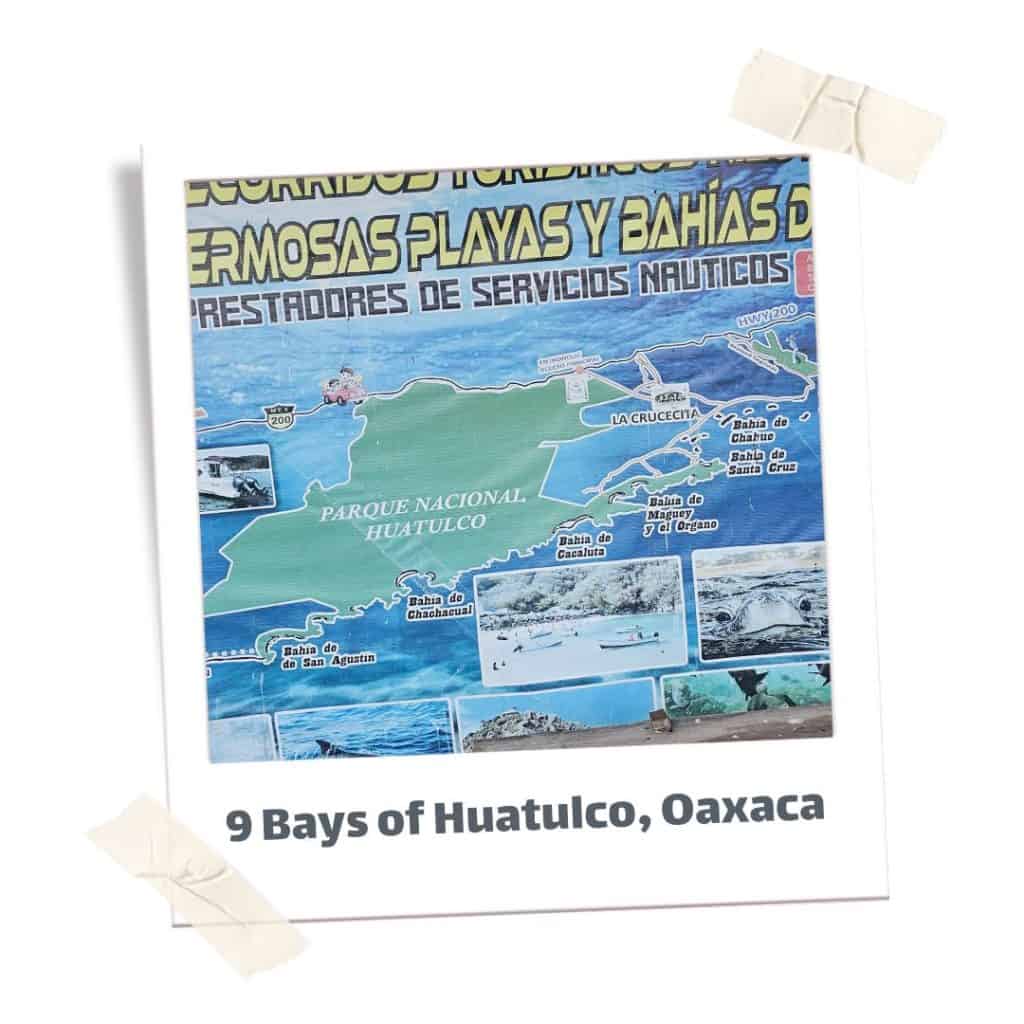

Known for its nine bays, Huatulco offers pristine beaches and protected marine parks.
The best time to visit is during the dry season from November to April, when the weather is ideal for snorkeling, swimming, and boat tours.
Do not skip the nine bay boat tour! It is 100% worth it!
Huatulco has made great strides in promoting sustainable tourism, with much of the area designated as a national park.
Visitors can explore the Huatulco National Park, home to diverse ecosystems and Indigenous communities. Supporting local businesses and choosing eco-friendly activities helps ensure that this coastal paradise remains protected.
Best Hidden Gems Along the Oaxacan Coast
While Puerto Escondido and Huatulco are the most popular beach destinations, the Oaxacan coast is full of hidden gems that offer a more secluded and authentic experience.
Here are a few other coastal treasures to consider:
1. Mazunte
Located about an hour from Puerto Escondido, Mazunte is a small beach town designated as a Pueblo Magico (Magic Town). It is known for its eco-conscious vibe and relaxed atmosphere.
It’s also home to the Mexican Turtle Center, where you can learn about sea turtle conservation efforts.
Mazunte’s focus on sustainable tourism makes it an ideal spot for responsible travelers who want to support local conservation initiatives.
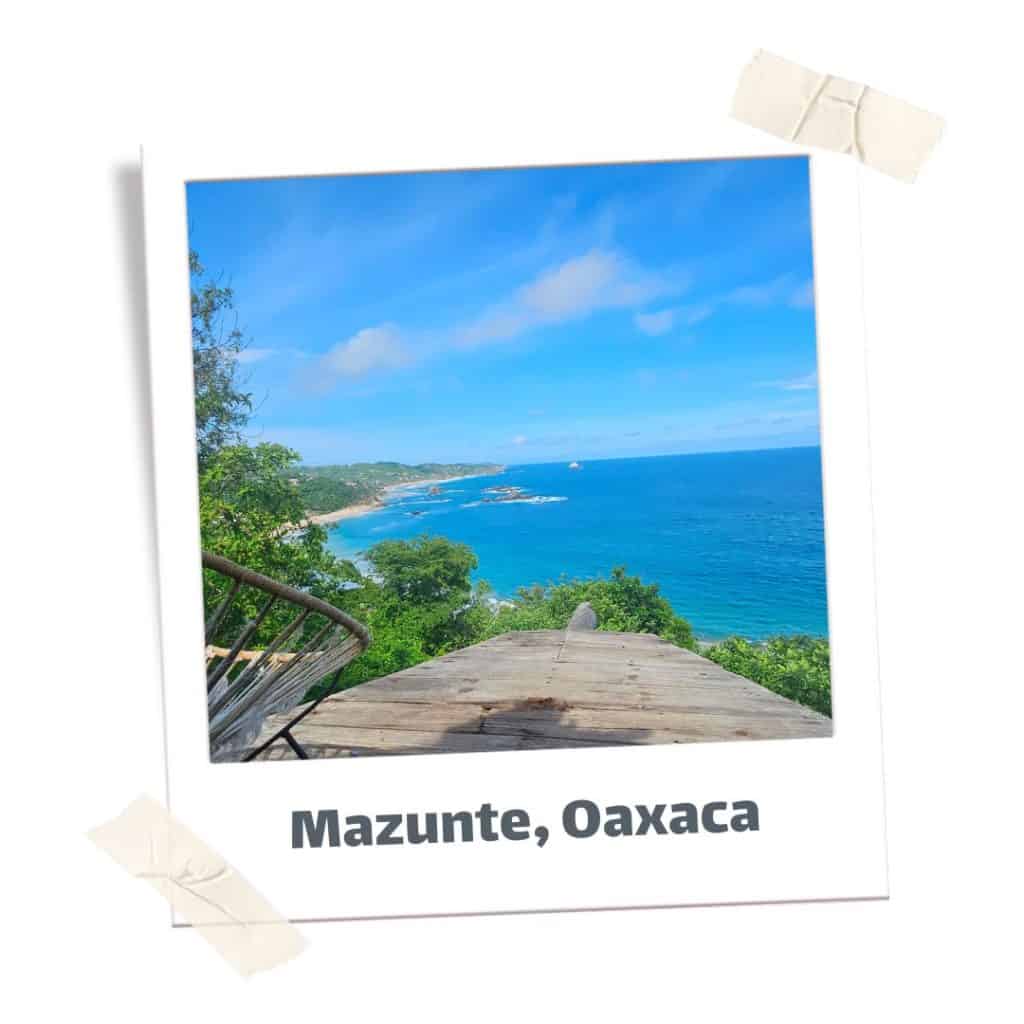

Photos © Daena Crosby
2. Zipolite
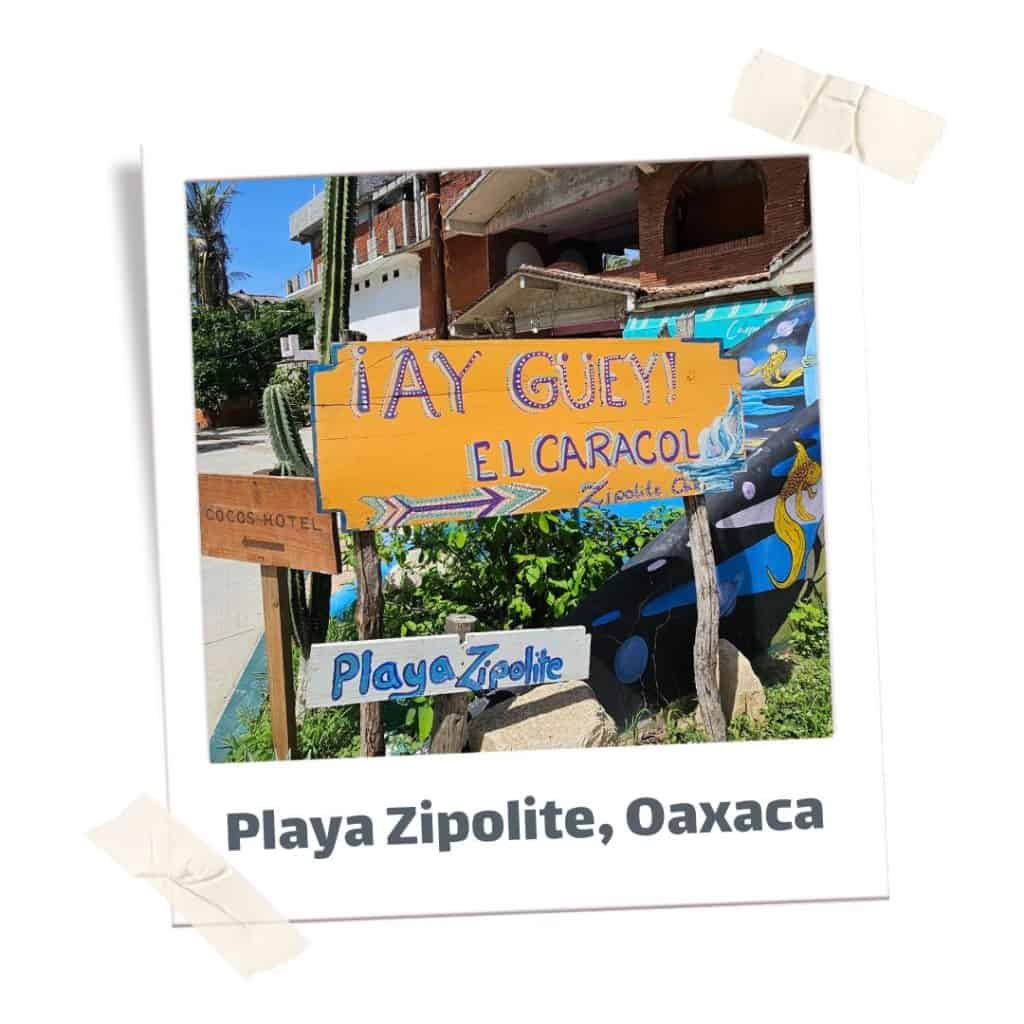
Photos © Daena Crosby
For those looking for a unique beach experience, Zipolite is Mexico’s only official nude beach.
But beyond that, Zipolite is a laid-back and welcoming town with a strong sense of community.
Visit during the shoulder season to enjoy the town’s relaxed atmosphere without the high-season crowds. Supporting local, family-run guesthouses and restaurants helps maintain the town’s unique character.
3. San Agustinillo
Just down the road from Mazunte, San Agustinillo is a tiny fishing village with a picturesque beach.
It’s an ideal destination for those looking to escape the crowds and immerse themselves in local life.
Many of the accommodations here are eco-friendly, and it’s easy to find small, family-run restaurants serving fresh seafood caught by local fishermen.
Beyond the Beach: San José del Pacífico is a Mountain Retreat in the Clouds
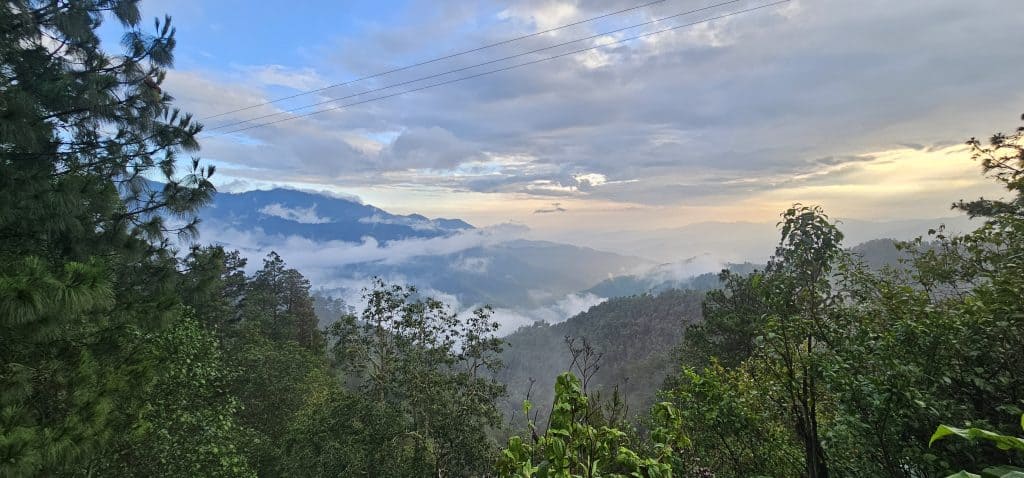
Photo © Daena Crosby
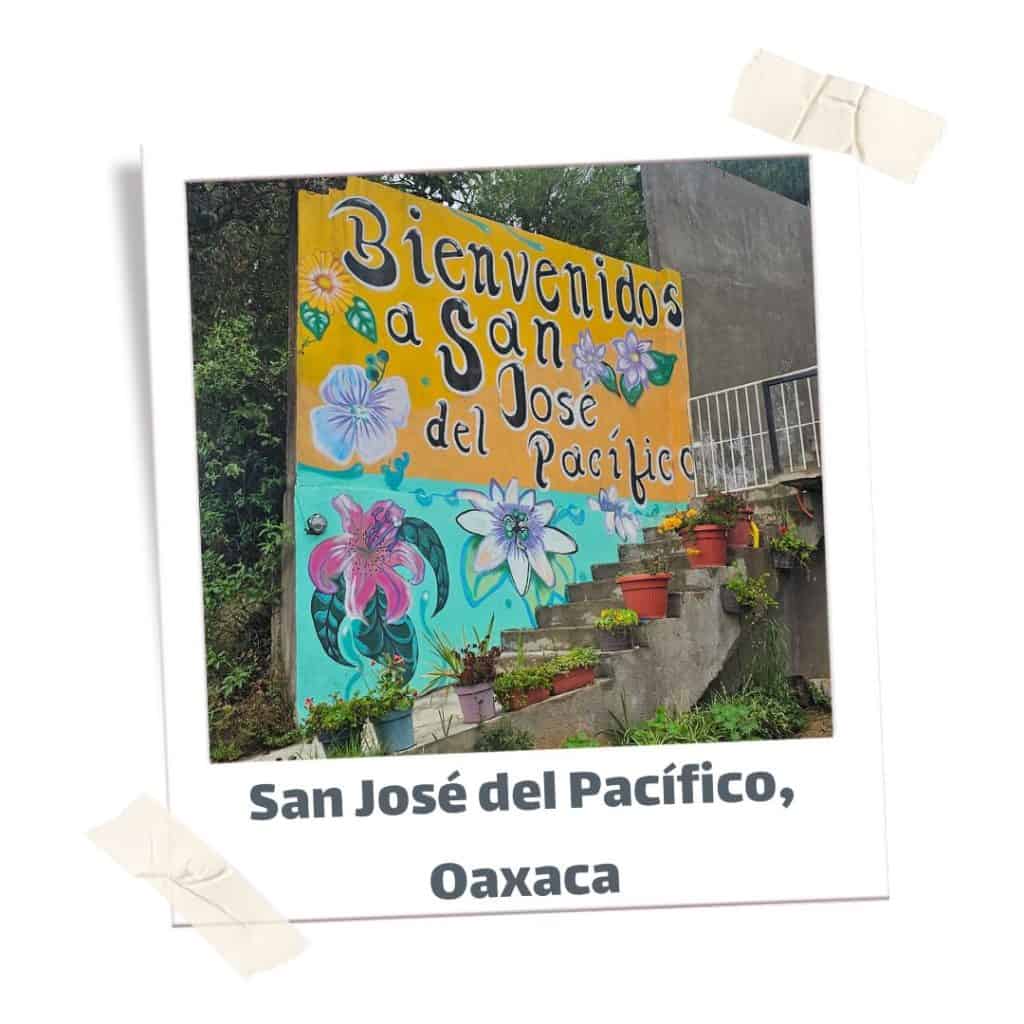
Nestled high in the Sierra Madre de Oaxaca, San José del Pacífico is a small mountain town renowned for its stunning views, cool climate, and mystical reputation.
At over 2,500 meters (8,200 feet) above sea level, this town offers visitors a serene escape from the heat of the Oaxacan coast and the bustle of Oaxaca City.
It’s the perfect destination for travelers looking to connect with nature, meditate in peaceful surroundings, or simply slow down and enjoy the quiet mountain life.
Why Visit San José del Pacífico?
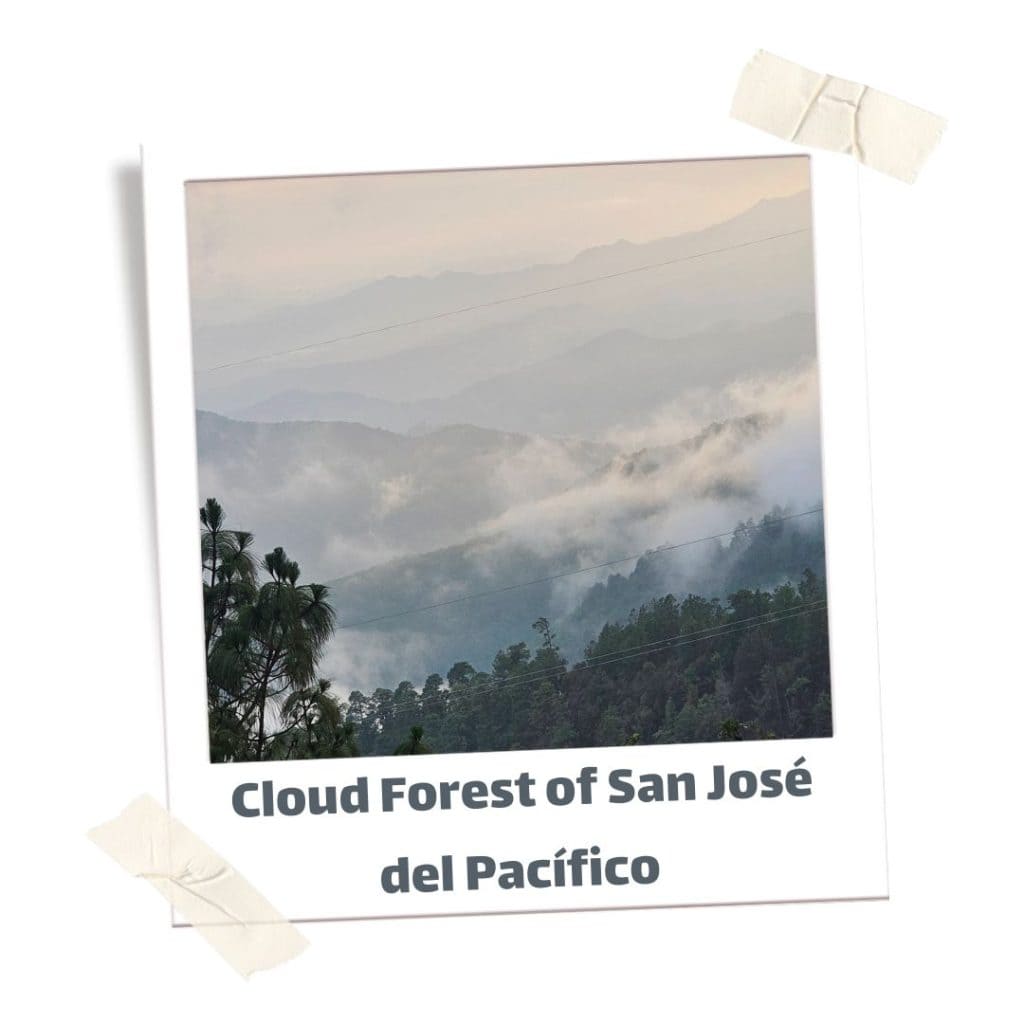
Known for its cloud forests and breathtaking landscapes, San José del Pacífico feels like a world apart.
The town is a popular stop for travelers seeking a more tranquil, reflective experience, and it’s particularly famous for its connection to psilocybin mushrooms, which have been used in Indigenous healing rituals for centuries.
While the mushroom culture attracts some visitors, many come for the peaceful environment, stunning vistas, and crisp mountain air.
In addition to its mystical reputation, the area around San José del Pacífico offers several outdoor activities, including hiking, birdwatching, and meditation retreats.
The forests are home to a wide range of flora and fauna, including oak and pine trees, hummingbirds, and other wildlife.
The town’s high altitude creates a magical landscape where clouds frequently roll in, creating an otherworldly atmosphere perfect for reflection and relaxation.
Weather in San José del Pacífico
Because of its elevation, the weather in San José del Pacífico is much cooler than in Oaxaca City or the coast.
Temperatures typically range from 10°C to 20°C (50°F to 68°F) throughout the year, with nights often dipping even lower, especially in the winter months.
The town experiences a rainy season from June to October, with mist and light rain common during this time. However, the rain only adds to the beauty of the cloud forests, creating a lush, green landscape.
During the dry season from November to May, the weather is clear, with crisp, sunny days and cool nights, making it an ideal time to visit for hiking and other outdoor activities. Regardless of the season, it’s important to be prepared for sudden changes in temperature, especially in the evenings when the mountain air can turn chilly quickly.
What to Pack for San José del Pacífico
Packing for San José del Pacífico requires a different approach compared to other destinations in Oaxaca, given its unique climate.
Here’s a list of essentials to ensure you’re comfortable during your stay:
- Warm layers: Even if you’re visiting during the dry season, the evenings and early mornings can be quite cold. Pack a warm sweater, fleece jacket, or even a light down jacket to stay comfortable.
- Rain gear: If you’re visiting during the rainy season, bring a waterproof jacket, umbrella, and waterproof shoes or boots. The trails can get muddy, so having the right footwear is essential.
- Comfortable shoes: Whether you’re hiking or exploring the town, sturdy, comfortable shoes are a must. If you’re planning on hiking, pack trail shoes or hiking boots.
- Hat and sunscreen: Despite the cool temperatures, the sun at this altitude can be strong. A hat, sunscreen, and sunglasses will protect you from UV rays during outdoor activities.
- Reusable water bottle: It’s important to stay hydrated, especially at high altitudes. Bring a reusable water bottle to reduce waste and keep hydrated throughout your hikes.
- Personal comfort items: If you plan on meditating or spending time reflecting, pack a journal, meditation cushion, or anything that enhances your personal relaxation routine.
How to Get to San José del Pacífico
San José del Pacífico is located about halfway between Oaxaca City and Puerto Escondido, making it a convenient stop if you’re traveling between the city and the coast.
You can reach the town by taking a colectivo or bus from Oaxaca City.
The journey takes about three to four hours by winding mountain roads, offering beautiful views along the way. If you’re prone to motion sickness, it’s a good idea to bring medication, as the road is known for its many curves.
Mindful Travel in San José del Pacífico
San José del Pacífico is a place where nature, tradition, and healing intersect, making it an ideal destination for mindful and responsible travelers.
The town is known for its connection to psilocybin mushrooms, traditionally used in Indigenous healing ceremonies. If you’re interested in exploring the medicinal and spiritual use of mushrooms, it’s important to do so respectfully.
Rather than simply taking the mushrooms on your own, seek out a local guide or healer who can facilitate a ceremony.
These ceremonies provide a deeper, more meaningful experience, allowing you to develop a relationship with the medicine while gaining valuable insights into the cultural and spiritual significance of the mushrooms.
This respectful approach not only ensures a safer and more transformative experience but also honours the traditions and knowledge passed down through generations.
In addition to mushroom ceremonies, San José del Pacífico is known for its temazcales, a traditional Mesoamerican sweat lodge used for spiritual and physical purification.
Participating in a temazcal ceremony offers another opportunity to connect with the local healing traditions in a deeply respectful way.
Guided by an experienced healer, a temazcal can help you cleanse both body and mind, while also gaining insight into the spiritual practices of the region.
San José del Pacífico is a hidden gem for those looking for a different kind of experience in Oaxaca.
Its cool, cloud-covered landscape and tranquil atmosphere make it a retreat for nature lovers and those seeking peace and introspection.
By packing appropriately and traveling mindfully, you can enjoy the magic of this mountain town while supporting its local community and preserving its natural beauty.
The Other Side of Paradise: Tourism and Water Justice in Oaxaca
Oaxaca is a place that draws you in with its beauty – colourful markets, ancestral traditions, and wild coastlines.
And behind the magic, there’s a deeper story that responsible travellers need to hear.
Tourism, especially in popular areas, puts real pressure on local resources.
One of the most pressing issues? Water.
While visitors relax in boutique hotels with flowing showers and lush gardens, many local residents face daily water shortages. In some areas, water is literally redirected to serve tourism, leaving entire neighbourhoods without reliable access.
This isn’t just an inconvenience. It’s a matter of environmental justice and human dignity.
If you care about responsible travel in Mexico, especially in Oaxaca, this is the kind of awareness that matters.
Be mindful of your water use.
Choose accommodations that respect local limits. Ask questions. Support community efforts that put locals – not just tourists – first.
Want to learn more? Watch this short, powerful video by independent journalist Bianca Graulau, who breaks down how over-tourism is impacting Indigenous communities across Oaxaca and Mexico. 👉 Watch now
Responsible travel means showing up with respect, not just curiosity. It means learning what’s beneath the surface – and letting that shape how we move through the world.
Best Time to Travel to Oaxaca to Embrace its Cultural and Natural Wonders
No matter the time of year, Oaxaca offers an unparalleled travel experience. From the highland culture of Oaxaca City to the pristine beaches of Puerto Escondido and Huatulco, every season brings its own magic.
By traveling responsibly – whether by supporting local artisans, participating in eco-friendly tours, or respecting Indigenous traditions – you contribute to the preservation of Oaxaca’s cultural and natural heritage.
Plan your visit around festivals, explore hidden coastal gems, and don’t forget to pack with the season in mind.
Oaxaca is waiting to share its histories, beauty, and spirit with you – whenever you decide to go.
Read More About Trips to Oaxaca
👉✨3 Days in Oaxaca: The Best Things to Do for First Timers in 2024